

Nutrition For Cats
Do you ever wonder if your furry feline friend is getting all the nutrients they need for optimal health?
Just like humans, cats require a balanced diet to thrive.
From understanding their unique dietary requirements to uncovering the secrets behind a healthy cat’s diet, get ready to embark on a journey that will enlighten you about how proper nutrition can make a difference in your beloved pet’s life.

- FROM TOP TO TAIL: Elevate your feline companion’s health with an advanced all in one cat multivitamin. These delicious dual texture crunchy and creamy bites help boost total cat health with full multi system benefits. Formulated to support your pet from nose to tail, this daily formula promotes enhanced immune support, heart health, and gut wellness while sustaining robust joint flexibility and deeply hydrated skin for long term vitality.
- THE INSIDE STORY: Our premium cat vitamins are packed with powerful ingredients tailored for feline physiology. It acts as an essential l-lysine for cats supplement to help optimize immune and respiratory health. Enriched with omega fatty acids sourced from real fish oil for cats and green lipped mussel, it nourishes the skin and coat while prebiotics support digestive gut health and nutrient absorption in every single serving.
- COMPLETE CAT CARE: Fuel your feline’s daily vitality with a broad spectrum cat vitamin that outclasses basic snacks. Packed with essential taurine for critical eye vision support and heart function, this advanced formula reduces excessive hair shedding and aids in natural hairball control. High performance prebiotics and amino acids work together to boost daily energy, optimize gut digestion, and deliver comprehensive immune support for kittens, adults, and senior cats.
- DROOL-WORTHY TASTE: Say goodbye to the struggle of forcing bitter tablets down your cat’s throat. Our advanced cat health supplements deliver clinical support wrapped inside an irresistible crunchy outer shell and a smooth creamy core. In an independent feeding study, four out of five cats loved the delicious chicken flavor, turning your daily immune and joint wellness routine into an exciting and stress free reward. **Based on an independent feeding study. Individual results may vary
- THE HONEST DIFFERENCE: Give your faithful companion the elite, uncompromised standard of premium clinical care. This Vet-Recommended cat multivitamin is proudly manufactured in the USA using clean, science backed ingredients with no fillers or artificial preservatives. Because we are proudly NASC certified, we adhere to the most rigorous quality and compliance benchmarks in the industry, delivering real results you can completely trust.
Last update on 2026-10-17 / Affiliate links / Images from Amazon Product Advertising API
Hey there, cat lovers!
Let’s discuss something that’s purrfectly important—nutrition for your furry feline friends. Choosing the right cat foods is crucial when feeding your cats.
Whether you have a kitten or an adult cat, selecting the appropriate kitten food or adult cat food is essential for their overall health.
One option to consider is canned cat food, which can provide the necessary nutrients for your cats’ well-being.
We all know kittens have a knack for being picky eaters (seriously, they can be more finicky than a food critic at a fancy restaurant!).
Regarding feline nutrition requirements, it’s important to feed them the right food.
But did you know an appropriate diet and quality food are crucial for their health and well-being?
Feeding them a proper food diet is essential. It’s true!
Understanding the basics of cat nutrition can help you make informed choices about what goes into their food bowl, especially when it comes to feeding many cats.
Whether you choose a commercially prepared feed or a homemade diet, it’s important to ensure that your kittens receive the proper nutrients.
A balanced diet, including adult cat food and kitten food, prevents common health issues plaguing our beloved pets.
Veterinarians often recommend specific cat foods for different life stages to ensure optimal health.
Think of it as giving them daily soluble vitamins to keep their mind sharp and their food diet balanced.
Feed them the best to make sure they feel their best.
Good nutrition, including a balanced diet, promotes healthy growth, strong immune function, and optimal organ performance.
Feeding your pet with high-quality pet food that is low in fat is important to ensure their overall well-being.
It’s like giving your many cats kitten food superpowers (well, maybe not quite, but close enough!). Veterinarians recommend this pet food.
So, let’s dive into the wonderful world of kitten and pet food together and ensure our whiskered companions get the nourishment they need to thrive.
Feed them the best kitten food recommended by veterinarians.
Understanding Cat’s Nutritional Needs
Cats are fascinating creatures with unique dietary requirements.
As obligate carnivores, pets rely on meat-based protein from pet food to meet their nutritional needs. Veterinarians recommend feeding them a balanced diet that includes carbohydrates.
Let’s explore the essential nutrients cats require for optimal feline nutrition and why their dietary requirements differ from those of humans.
Feeding cats with high-quality pet food recommended by veterinarians to ensure they receive the necessary nutrients is important.
Cats’ Unique Dietary Requirements
Due to their status as obligate carnivores, cats have specific dietary needs for pet food that set them apart from other animals.
Cat owners must consult with veterinarians to ensure they feed their cats a balanced diet that includes meat.
Unlike humans and other pets, cats cannot thrive on a vegetarian or vegan diet alone.
Veterinarians recommend feeding cats meat meals to ensure their nutritional needs are met.
They must consume animal-based proteins from pet food to obtain essential nutrients like taurine, arachidonic acid, and vitamin A.
Meat is a crucial component of their feed, providing these necessary nutrients.
The Importance of Taurine, Arachidonic Acid, and Vitamin A
Taurine, an important amino acid in pet food products, is vital in maintaining cats’ heart health and vision.
Cats can develop serious health issues such as heart disease and vision impairment without sufficient taurine intake from pet food. Feeding them a diet rich in protein and fat is important to ensure their well-being.
Since taurine is primarily found in animal tissues, it emphasizes feeding feline friends a meat-based pet food diet high in protein.
Arachidonic acid is another vital nutrient for cats that is found exclusively in animal tissues.
This fat is crucial for their overall health and can only be obtained through a protein-rich diet, such as pet food. It supports various bodily functions, such as reproduction, skin health, and the proper functioning of the immune system.
Additionally, consuming nutritious foods and drinking enough water are essential for overall health. Including healthy products in your diet can help control fat intake and promote a balanced lifestyle.
Cats consume animal products, such as pet food, to fulfill their arachidonic acid requirements. These foods are essential for their diet and provide the necessary nutrients for cats to thrive.
Additionally, cats do not have a high carbohydrate tolerance in their feed, making animal products even more important for their overall health.
Vitamin A is essential for maintaining healthy cat skin, coat, and eyesight. It is found in many pet foods and feeds and helps regulate fat metabolism.
While humans can efficiently convert plant-based sources of beta-carotene into vitamin A, this conversion process is not as effective in felines.
This is why it is important to provide cats with proper pet food containing the necessary nutrients.
Canned food is a popular choice for feeding cats as it offers a balanced diet.
Therefore, pet cats need preformed vitamin A from animal sources to ensure optimal health. This is especially important regarding their food, as canned pet food is a great way to feed them the necessary nutrients.
Hydration: The Key to Feline Well-being
In addition to feeding our feline companions appropriate pet food, their water intake also plays a crucial role in keeping them healthy.
Cats have a lower thirst drive for water than humans because they evolved from desert-dwelling ancestors.
This is why providing sufficient water in their pet food is important to prevent dehydration. Additionally, their urine concentration is higher than humans, so they need proper hydration to maintain healthy kidney function.
So, make sure to feed your cat food that contains enough moisture to keep them well-hydrated.
Thus, it is essential to ensure that your pets have access to fresh water and the foods they need to feed on, such as dry food, at all times.
Adequate water intake is vital for cats as it helps maintain proper kidney function and prevents urinary tract issues.
Ensuring your cat is well-hydrated can promote healthy urine production and prevent problems related to the urinary tract.
In addition to providing fresh water, feeding wet foods can help increase your cat’s water intake and further support their overall hydration.
Cats that consume dry foods may have a higher risk of dehydration, so providing wet foods or incorporating moisture-rich options into their diet can help increase their water intake.
This is important because proper hydration is essential for maintaining healthy urine and protein levels in cats.
Catering to Cats’ Unique Metabolism and Digestive System
Understanding cats’ nutritional needs goes beyond recognizing their obligate carnivore status.
Cats require a balanced diet consisting of meat-based foods to thrive as pets. When choosing the right foods for cats, it is also important to consider their unique metabolism and digestive system.
Their protein needs, for example, can be met by incorporating protein-rich foods into their diet.
Additionally, monitoring their urine output is important to ensure they are properly hydrated and their kidneys function well.
Unlike humans, cats have a higher protein requirement and lower carbohydrate tolerance due to their evolutionary adaptation as hunters.
This is why it’s important to provide cats with foods high in protein, such as meat, and low in carbohydrates.
When choosing cat food, choose options made with real meat and avoid those containing excessive canned food.
Feeding cats with diets high in carbohydrates, including canned food and dry food, can lead to various health problems, including obesity and diabetes.
Providing cats with a balanced diet that includes meat is important to ensure optimal health.
Their insulin needs differ from those of humans, making it crucial to provide them with an appropriate balance of proteins and fats while keeping carbohydrates at a minimum.
This is especially important when choosing the right foods to feed them, as their diet should consist mainly of meat.
Additionally, ensuring access to clean water is essential for their overall health and well-being.

- HELP HER STAY RESILIENT: A daily cat immune system booster she will actually eat. This cat immune booster is critical immune defense for cats through seasonal weather swings. One chew in the bowl each morning. Peace of mind for you.
- WHEN THE HOUSE GETS DRY OR DUSTY: Cat respiratory support for everyday indoor air. Comfort for cat upper respiratory relief, feline respiratory relief, cat sinus relief, respiratory relief for cat, and seasonal allergy relief for cats at home.
- A COAT YOU CAN SEE: Krill oil omegas help nourish skin, a glossy coat, and bright eyes. Cat supplements for skin and coat plus a simple cat supplement in one chew. No grain. No fillers. Run your hand down a healthier-looking cat you take pride in.
- EASIER THAN A PILL: Chewable cat vitamins and cat supplements & vitamins if you are done crushing tablets. Cat health supplements and lysine treats in a chicken catnip soft chew picky eaters accept. One jar. One gentle habit she will not fight.
- MADE TO TRUST: Veterinarian-pharmacist approved feline lysine, cat l lysine, and lysine chews for cats from a GMP USA facility. About 60 chews. Weight-based dosing. No soy, grain, dairy, or GMOs. 30-day money-back guarantee from Balanced Breed.
Last update on 2026-10-17 / Affiliate links / Images from Amazon Product Advertising API
Feeding Guidelines for Cats
Feeding your cat is not just about filling up their bowl with any foods you find at the store. It’s important to provide them with quality meat for protein and ensure they have access to clean water.
When determining your pets’ nutritional needs, it’s crucial to consider their age, weight, activity level, overall health condition, and the types of foods they eat.
Proper nutrition includes a balanced diet that provides enough protein and access to clean water for hydration.
Here are some feeding guidelines for your feline friend when choosing the right foods.
It is important to provide a balanced diet that includes dry and canned food. Additionally, ensure your cat always has access to fresh water for hydration.
Feed According to Individual Needs
Each cat is unique, so it’s essential to tailor their diet based on their specific requirements, including the type of feed and foods they consume.
Dry food, in particular, is a popular choice for its convenience and long shelf life. Additionally, it’s important to ensure that their diet includes enough protein to support their overall health and well-being.
Adult cats have different nutritional needs than kittens or senior cats. It is important to choose the right foods when feeding your adult cat.
You can opt for canned or dry food to meet their dietary requirements.
Adult cats should choose high-quality cat food specifically formulated to meet their protein needs and support their meat-based diet.
On the other hand, Kittens require a diet supporting growth and development. This includes feeding them high-quality foods such as meat and canned food.
Multiple Small Meals
Cats, being natural hunters, prefer multiple small meals throughout the day rather than one or two large meals.
It’s important to provide a balanced diet of dry and canned food when it comes to feeding them. Mimic their natural behavior by providing several smaller portions of protein-rich foods throughout the day.
This will help prevent overeating and obesity while keeping them satisfied with their choice of canned or dry food.
Additionally, make sure they have access to clean water for optimal health.
Avoid Free Feeding
Free feeding refers to leaving dry foods out all day for your cat to graze on whenever they please. This method ensures that your cat has access to water and meat.
While canned and dry food may seem convenient, they can lead to overeating and obesity in cats, who tend to eat more than they need.
Consuming these foods, especially those containing meat, can contribute to weight gain in cats.
Free-feeding dry foods can contribute to picky eating habits, as cats become accustomed to having water and meat available at all times.
Transition Gradually
If you decide to switch your cat’s diet or introduce new foods, such as meat, it’s crucial to do so gradually.
This is important to ensure that your cat’s water intake remains consistent and that they don’t experience any digestive issues due to a sudden change in their dry food.
Abrupt changes in their diet, such as switching between dry food and canned food, can upset their digestive system.
This can lead to gastrointestinal issues like vomiting or diarrhea, so providing them with a consistent diet and access to fresh water is important.
Start by mixing a small amount of the new foods with their current foods and gradually increase the ratio over several days until they are fully transitioned.
Ensure to provide your pets with fresh water during this dry food transition.
Provide Fresh Water
In addition to a balanced diet of dry food and canned food, fresh water should always be available for your cat. Make sure the water bowl is clean and filled with fresh water daily.
Additionally, provide your pet with dry and canned food to ensure a balanced diet.
Some cats may prefer running water, so consider using a cat fountain to encourage them to drink more.
Additionally, it’s important to provide your cat with a balanced diet, including dry and canned food options.
Monitor Weight and Health
Regularly monitor your cat’s weight and overall health condition.
Obesity is common in cats and can lead to various health problems. A balanced canned, water, and dry food diet is essential for their well-being.
If you notice any significant weight gain or loss, consult your veterinarian to adjust your feeding regimen of dry food, water, and canned food.
Consider Special Dietary Needs
Some cats may have special dietary needs due to specific health conditions such as allergies, urinary issues, or kidney disease.
These conditions may require a specific diet that includes canned food, dry food, and plenty of water.
In such cases, it’s important to work closely with your veterinarian to determine the best diet for your cat’s unique situation, whether dry food, canned food, or water.
Remember that proper nutrition, including dry and canned food, is vital to maintaining your cat’s health and well-being.
By following these feeding guidelines and providing them with a balanced diet of canned and dry food tailored to their needs, you can ensure they live a happy and healthy life.

- GRAIN-FREE WET CAT FOOD TOPPER IN NO-MESS POUCH: Protein-rich Tiny Tasters delivers the meat that your cat craves in a complete and balanced diet. Mealtime will be mess-free with the convenient single serve pouch.
- DUCK PATE: This natural, grain free recipe features real duck for a complete, balanced nutrition. Pate is completely smooth for an irresistible taste your cat will love.
- SUPPORTS HEALTHY HYDRATION: Wet food is an easy way to increase your cat’s moisture intake for urinary tract health. We recommend feeding cat food at room temperature and refrigerating the unused portion.
- NO CORN, WHEAT, OR SOY: Cat food doesn’t contain carrageenan, wheat, wheat gluten, corn, soy, artificial colors, or preservatives.
- COMPLETE & BALANCED NUTRITION: Wellness cat food is created by nutritionists & veterinarians to nourish and sustain your pet’s wellbeing. Each recipe promotes the five signs of wellbeing: energy, lustrous skin and coat, sound digestion and immunity, strong teeth, and healthy eyes.

Last update on 2026-10-17 / Affiliate links / Images from Amazon Product Advertising API
Essential Nutrients in Cat Food
Protein is the real MVP. Cats need a plentiful supply of canned and dry food, as these nutrient-rich options are essential for their health.
It’s like the superstar of nutrients, and cats need it abundance!
High-quality protein sources such as canned or dry food are crucial for their health and well-being.
So, when shopping for dry cat food, ensure protein is at the top of the ingredient list.
Fats are not just something we try to avoid on our waistlines; they also play a vital role in a cat’s nutrition, whether they are consuming canned or dry food.
Fats provide energy and support various bodily functions, whether they consume canned or dry food.
Plus, dry and canned food helps maintain healthy skin, a shiny coat, and brain function.
So don’t be afraid to embrace those fats!
While dry and canned foods may be popular among humans trying to lose weight, they aren’t essential for cats.
Cats are obligate carnivores, meaning their bodies are designed to thrive on a dry diet rather than carbohydrates.
However, small amounts of dry carbohydrates can still be included in their dry food as a dry energy or fiber source.
Vitamins and minerals in dry food are important for your feline friend, too! These nutrients are necessary for various bodily functions and help keep your cat healthy from head to tail, especially when they consume dry food.
For example, vitamin D helps absorb calcium in dry food, while calcium is crucial for strong bones and teeth.
It’s essential to check if these dry food nutrients are adequate.
A well-balanced diet should contain all the necessary vitamins (like vitamin D) and minerals (such as calcium) that your furry friend needs, including dry food.
Now, let’s break down some key points about cat nutrition, specifically focusing on dry food.
- Protein: Look for high-quality dry food sources like meat or fish as the primary ingredient.
- Fats in dry food provide energy and support healthy skin, coat, and brain function.
- Carbohydrates in dry food: Not essential, but small amounts can be included for energy or fiber.
- Vitamins and minerals are necessary for various bodily functions, including your cat’s health. Ensure that your cat’s wet or dry food has the right balance of these essential nutrients.
Remember, not all pet foods are created equal.
Some dry food options may contain fillers or low-quality ingredients that don’t provide the necessary nutrients.
So always check the ingredient list before purchasing, especially regarding dry food.
If you’re concerned about whether your cat gets enough of these essential nutrients in their dry food, you can also consider supplements.
However, it’s best to consult your veterinarian before adding dry food supplements to your cat’s diet.
Pros and Cons of Commercial Cat Food
Convenience with Balanced Formulations
Dry commercial cat food offers convenience for cat owners. It provides balanced formulations specifically tailored to meet the nutritional needs of our feline friends.
These ready-to-serve meals come in various options, including dry kibble, wet canned food, and even freeze-dried or dehydrated alternatives.
This means that a commercial dry cat food option will likely suit both of you, regardless of your preference or your cat’s taste buds.
Low-Quality Ingredients and Fillers
However, it’s important to note that not all commercial cat foods, whether wet or dry, are created equal.
Some dry food brands may contain low-quality ingredients or fillers with little nutritional value for our furry companions.
These fillers can include corn, wheat, soy, and by-products from other animals commonly found in dry food.
While these dry ingredients may be cheaper to produce and help bulk up the dry food quantity-wise, they may not provide the necessary nutrients cats need for optimal dry health.
Reading Labels for High-Quality Options
To ensure you’re choosing high-quality commercial dry cat food options for your feline friend, it’s essential to read labels carefully.
Look for brands prioritizing real meat as the main ingredient in their dry food rather than relying heavily on fillers or by-products.
Check if the brand follows dry guidelines set forth by reputable organizations such as the Association of American Feed Control Officials (AAFCO), which establishes minimum standards for pet food nutrition.
Veterinary-Recommended Brands
One way to navigate the sea of commercial cat food options is to consider veterinary-recommended brands, including wet and dry options.
Veterinarians have extensive knowledge about pet nutrition and can guide you toward dry food brands that undergo rigorous testing to ensure safety and quality.
These dry food brands often invest in research and development to create formulas that cater to a cat’s dietary needs at different life stages.
Homemade Cat Food: Meeting Nutritional Requirements
Homemade dry cat food can be a great option for providing a more personalized diet that meets your cat’s specific needs.
However, when it comes to their diet, it’s important to carefully consider the inclusion of all essential nutrients, especially when feeding them dry food.
Here are some important points to consider when preparing homemade dry cat food.
Consult with a Veterinary Nutritionist or Use Balanced Recipes
To avoid nutrient deficiencies or imbalances in your cat’s diet, it is crucial to consult with a veterinary nutritionist or use balanced recipes specifically designed for feline nutrition requirements, especially when it comes to dry food.
These professionals have the expertise and knowledge to guide you in creating a well-rounded diet for your furry friend, including wet and dry food options.
They can help you understand the right proportions of proteins, fats, carbohydrates, vitamins, minerals, and dry food to include in your meals.
Pay Attention to Essential Nutrients
Cats have unique nutritional requirements for food, which differ from other animals.
They often prefer dry food over wet options. For instance, when it comes to food, they require high levels of dry protein derived mainly from meat sources such as chicken, turkey, or fish.
They also require certain amino acids like taurine and arginine, vital for their overall health and food requirements.
These amino acids can be found in dry food options. Ensuring these essential nutrients are present in their homemade food is important. Dry food is a good option to consider.
Consider Additional Supplements
While homemade food diets can offer numerous benefits, they may require additional supplements to fully meet cats’ nutritional requirements, especially when it comes to dry food.
Some essential food supplements include omega-3 fatty acids (found in dry fish oil), calcium carbonate (to maintain dry bone health), and vitamin E (an antioxidant).
These dry food supplements help fill gaps and ensure your cat receives nutrients.
Avoid Harmful Ingredients
When preparing homemade cat food, avoiding harmful ingredients that could negatively impact your feline companion’s health is crucial.
This includes avoiding dry ingredients that could harm your cat’s well-being.
Avoid using dry onions, dry garlic, grapes/raisins, chocolate, caffeine-containing products, and artificial sweeteners like xylitol, as they can be toxic to cats’ food.
Refrain from including excessive amounts of salt or sugar in their dry food.
Proper Food Handling and Storage
Just like human food, proper food handling and storage are essential when preparing homemade cat food, whether wet or dry.
Wash your hands thoroughly before and after handling raw food ingredients. Proper hygiene is also important when working with dry ingredients.
Thoroughly cook the dry food to eliminate any potential bacteria or parasites.
Store the prepared food meals in dry, airtight containers in the refrigerator or freezer to maintain freshness and prevent spoilage.
Monitor Your Cat’s Health
Once you transition your cat to a homemade food diet, monitor their overall health and well-being closely, especially if they have been eating dry food previously.
Observe their food intake, coat condition, energy levels, digestion of dry food, and weight management.
If you notice any changes in their behavior or appearance related to food or dryness, consult a veterinarian promptly.
By following these dry guidelines, you can ensure that your homemade cat food meets all the necessary nutritional requirements for your feline friend.
Remember, providing them with quality dry food tailored to their needs is an excellent way to show them love and care.
Special Dietary Needs for Cats
Cats, just like humans, have unique dietary needs regarding their food. These needs can vary depending on their age and health conditions.
Choosing the right type of food for your cat, whether wet or dry, is important.
Whether you have an overweight cat or a senior feline companion, understanding their special dietary requirements for dry food is crucial for their overall well-being.
Let’s explore some specific nutritional needs cats may have regarding food and how to address them with dry options.
Overweight Cats: Portion Control and Increased Exercise
If your furry friend is carrying a few extra pounds, it’s important to take steps to help them shed the excess weight, especially when it comes to their food.
Consider switching to a dry food diet. Overweight cats are at risk of developing various health problems such as diabetes, joint issues, and heart disease.
Dry food is recommended for managing weight in cats.
To combat this issue:
- Dry food: Ensure that you’re feeding your cat appropriate portion sizes of dry food based on their weight and activity level. Consult with your veterinarian to determine the right food for your fluffy companion.
- Reduced calorie intake: Opt for specially formulated weight management diets that are lower in food calories but still provide all the necessary nutrients. These food diets can help your cat lose weight gradually while maintaining muscle mass.
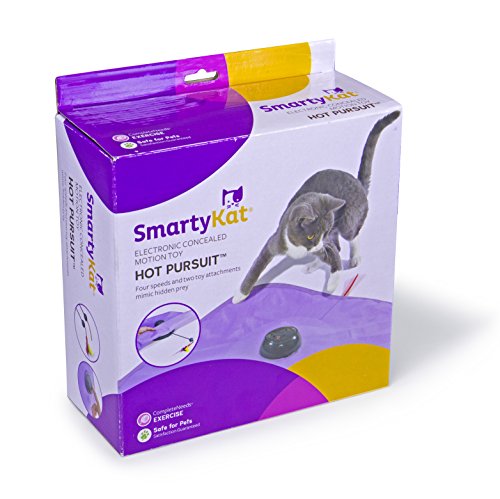
- Increase exercise: Encourage physical activity by engaging your cat in playtime sessions using interactive toys or laser pointers. This will help keep your cat active and maintain a healthy weight, promoting overall well-being and preventing food-related issues. Regular exercise helps burn calories and keeps cats mentally stimulated, making it crucial for their overall well-being. Whether it’s through playtime or interactive toys, engaging in physical activity is essential to ensure that cats stay fit and healthy. Additionally, providing them with a balanced and nutritious diet is equally important for their growth and development. Regular exercise with the right food can help your cat maintain a healthy weight and promote overall health.
Senior Cats: Addressing Age-Related Health Concerns
As cats age, their metabolism and overall health may be affected, including their food habits.
Adapting their food diet accordingly to support their aging bodies is essential.
Here’s what you should consider:
- Diets formulated for seniors: Look for cat food specifically designed for senior cats. These formulas often contain ingredients promoting joint health, supporting kidney function, and aiding digestion.
- Joint support: Older cats are prone to arthritis and other joint-related food issues. Choose diets enriched with omega-3 fatty acids or supplements like glucosamine and chondroitin sulfate to alleviate discomfort.
- Senior cats are more susceptible to kidney disease, which their food can influence. To support their renal health, opt for diets low in phosphorus and high in quality proteins.
- Regular veterinary check-ups are crucial for your aging cat’s health, especially regarding their food. Schedule regular visits with your veterinarian to ensure they get the best nutrition and care. They can assess your cat’s overall health, detect food issues early on, and recommend appropriate dietary adjustments.
Cats with Medical Conditions: Therapeutic Diets
If your cat has a medical condition such as diabetes or allergies, they may require specialized food diets prescribed by a veterinarian.
These therapeutic food diets are formulated to address specific health concerns and help manage the condition effectively.
Here’s what you need to know:
- Consulting with a veterinarian is crucial for your cat’s food. Many veterinarians have extensive nutrition knowledge and can recommend the most suitable diet for your cat’s condition.
- Prescription diets for food: These diets often require a prescription from your veterinarian and are available in wet and dry forms. They contain carefully selected food ingredients that aid in managing the medical condition while providing essential nutrients.
- Weaning onto new food: When transitioning to a new diet, especially prescription food, it’s important to follow the recommended weaning process provided by your veterinarian to avoid digestive upset.

- PREMIUM FORMULA – This formula combines powerful probiotics with easily-absorbed vitamins, antioxidants, and digestive enzymes. By helping maintain a balance between ‘good’ bacteria and ‘bad’ bacteria, Nutra Thrive supports healthy digestion and higher energy levels — to help your cat live a long, happy life.*
- FOOD TOPPER – Nutra Thrive is a chicken-flavored powder that can be added to any cat food. Each scoop of Nutra Thrive is packed with easily-absorbed vitamins, minerals, antioxidants, and digestive enzymes. The secret is in its 3-in-1 formula — Superfoods Blend, Super Feline Blend, and Probiotic-Enzyme Blend — which helps promote health and a balanced digestion.*
- EASY TO USE – Nutra Thrive is easy to prepare, simply sprinkle one scoop per day over your cat’s food!
- THIRD PARTY TESTED – Quality is our number one priority here at Ultimate Pet Nutrition, so all of our products go through rigorous testing for quality, purity and potency at an independent, 3rd-party facility.
- QUALITY INGREDIENTS – Nutra Thrive contains quality ingredients — and each one is hand-selected for maximum effectiveness and purity. However, we always recommend consulting with your veterinarian before beginning any new supplement.
Last update on 2026-10-17 / Affiliate links / Images from Amazon Product Advertising API
Key Takeaways on Nutrition for Cats
By following the feeding guidelines for cats and ensuring they receive essential food nutrients, you can help maintain their overall health and well-being.
Whether you choose commercial cat food or homemade meals, meeting their nutritional requirements is important.
To ensure your cat stays healthy, consult a veterinarian who can provide personalized advice on food based on your cat’s specific needs.
Remember, every cat is unique in terms of its dietary requirements for food. These requirements may vary.
Keep an eye on their weight and monitor any changes in behavior or appetite related to food that could indicate potential health issues.
With proper nutrition and care, you can give your beloved feline companion the best chance at a long, happy life filled with good food.
Nutrition for Cats FAQs
Can I feed my cat a vegetarian or vegan diet?
While humans may choose to follow vegetarian or vegan diets for ethical reasons, it’s important to note that cats are obligate carnivores and require food appropriate for their dietary needs.
Their bodies require certain nutrients only found in animal-based proteins, so food choices are crucial for their health.
Feeding them a vegetarian or vegan diet can lead to severe nutritional deficiencies and health problems related to food. Sticking to a food diet that meets their natural dietary needs is best.
How often should I feed my cat?
The frequency of feeding food depends on various factors such as age, activity level, and overall health. Adult cats should be fed two meals daily, while kittens may require more frequent feeding.
Regarding their diet, it’s important to provide them with high-quality food that meets their nutritional needs.
It’s important not to overfeed your cat, as obesity can lead to several health issues related to food.
Should I give my cat supplements?
Food supplements are usually unnecessary if you provide your cat with a balanced diet that meets all its nutritional needs.
However, supplements may be beneficial if you have concerns about specific nutrient deficiencies related to your pet’s food or if your veterinarian recommends it due to certain health conditions.
Always consult your vet before adding food supplements to your cat’s diet.
Is it safe to give my cat raw food?
Feeding raw food to cats carries certain risks, including the potential for bacterial contamination and nutrient imbalances.
It’s important to handle raw food safely and ensure that it is properly balanced to meet your cat’s nutritional needs.
Consult with your veterinarian to determine if a raw food diet is appropriate for your cat and how to introduce it safely.
How can I help my overweight cat lose weight?
If your cat is overweight, working with a veterinarian to develop a safe and effective weight loss plan for its food is crucial.
This may involve adjusting their food, portion control, and incorporating regular exercise into their routine.
Rapid weight loss can be dangerous for cats, so it’s crucial to approach weight management gradually and carefully under professional guidance.





5 Comments