Are You Ready to Choose and Care for a Pet Bird?
Choosing and Caring for a Pet Bird
Choosing a Pet Bird Selecting the right bird involves understanding the commitment and requirements of bird ownership.
Considerations include:

- 【Solid Construction】- ZENY bird cage consists of a strong and steady main metal frame that could make the cage more durable and solid. It consists of a long-lasting metal wire bar to secure big birds. With a non-toxic powder-coated finish, the metal wire bar can not be easily bent. The cage will remain rust-resistant and ensure the safety of inside birds or parrots.
- 【Large Space for Fun】- Overall size w / stand: 25.6 x25.6 x61 “(Lx Wx H), cage size: 18 x17.9 x32.9” (Lx Wx H), door size: 16.9x 8.8 “(Wx H). ZENY cage consists of a large indoor room that could hold several birds playing in it with a pipe in the middle that provides space for birds. And a balcony for birds.
- 【360° Swivel Casters】– 4 strong swivel casters mobility and stability, easy glide non-marking casters allow for conveniently simple movement to and from any room. The lockable design could fix the cage in specific area which makes the cage more safe and stable
- 【Ideal for Small to Medium Sized Birds】 – Sturdy enough to handle your birds’ bites and harsh weather conditions, this cage will protect them for years to come. Your birds will be living large in their roomy new place.
- 【Package Contents】- Contents included in the package: 2 feeder doors with easy feeding locks, 1 interior long wooden perch for resting. 2 Bowls made of stainless steel and a perch. 4 Strong rods 2 locks for mobility and stability, Lower removable sliding grid for easy cleaning, clean and comfortable bird home
Last update on 2026-02-24 / Affiliate links / Images from Amazon Product Advertising API
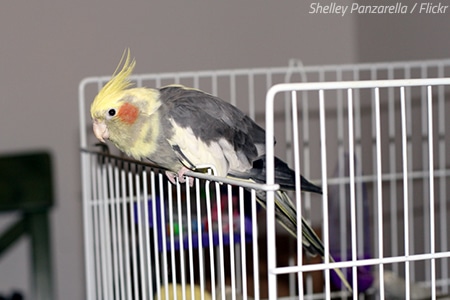
- Species: Research different species’ needs, behaviors, and lifespans. Popular choices like parakeets, canaries, and cockatiels differ significantly from more demanding birds like parrots.
- Space: Evaluate the amount of space available for cages and flying. Larger birds and active species require more room.
- Time and Interaction: Some birds require significant interaction and socialization. Assess your daily schedule to ensure you can provide the necessary companionship.
- Budget: Initial setup costs include food, toys, and veterinary care. Be prepared for long-term financial commitments.
- Allergies and Health: Consider any potential allergies among household members. Birds can be sensitive to fumes and chemicals, so maintaining a safe environment is crucial.
Caring for Your Bird Proper care is essential for your bird’s health and happiness:
- Habitat: Invest in a sturdy cage with appropriate bar spacing. Include perches, toys, and nesting areas to stimulate your bird mentally and physically.
- Diet: Provide a balanced diet tailored to your bird’s species, including high-quality pellets, fresh fruits, and vegetables. Avoid toxic foods like avocado and chocolate.
- Regular Exercise: Ensure your bird gets enough time outside its cage to fly and explore in a safe, enclosed environment.
- Social Interaction: Spend time interacting with your bird daily to build trust and prevent behavioral issues.
- Health Care: Regular check-ups with an avian veterinarian are important. Watch for signs of illness, such as changes in behavior or droppings.
Thorough research before choosing a bird and committing to its care can ensure a rewarding relationship with your feathered friend.

- Made of 100% safe, non-toxic materials
- Holds 1.8 oz. and 2.2 oz.
- Universal fit
Last update on 2026-02-24 / Affiliate links / Images from Amazon Product Advertising API
Habitat of a pet bird
Choosing a proper habitat is crucial for your pet bird’s safety and happiness.
The right habitat is an environment where you can watch your bird play and enjoy the company of its family and friends.
Birds are highly social animals that thrive in a family environment.
Therefore, the best place to keep your pet is a common room such as a bedroom, living room, or kitchen.
You should avoid putting the cage in dark areas, leading to disease and isolation.
Ensure your bird can access fresh water in a water bottle or bowl.
Fresh water is important to prevent bacterial growth, which can lead to illness in your bird.
Some birds may prefer to soak their food in water, but it is advisable to change the water more often.
If you have a bird that spits a lot, you may want to add the styptic powder to the water.
When choosing the right habitat for your pet bird, you should also consider the type of bird you plan to buy.
Budgies and parakeets require less space, so they don’t produce as much noise as other birds.
Consider finches, canaries, and parrotlets if you’re looking for a bird that can adapt to apartment life.
These species can be found anywhere, so the selection process is simple.
Types of pet birds
Many pet birds are available, each with different personalities, sizes, and lifestyles.
Considering your lifestyle and personality traits before purchasing a pet bird is great.
You may want a smaller bird for its compact size, but large birds are also available that can occupy a large space.
These birds are also loud, so if you live in an apartment or condo, they may be a nuisance to your neighbors.
Pigeons are among the oldest types of pet birds and have been domesticated for thousands of years. Although they can be a nuisance to some people, pigeons are highly affectionate and love human interaction.
The domesticated variety of the Rock Pigeon is often known as the “Pigeon,” although many species of pigeons are wild.
Pigeons are members of the Columbidae family and are generally small to medium-sized.
The smallest of all bird species, the parrot, is the most popular type of pet bird. Parrots can range in size from seven to nine inches and live anywhere from seven to 15 years.
They love vegetables, nuts, and fruit and require much attention and communication.
These pets are usually very active and funny and require a lot of attention. Some people even keep exotic birds as pets.
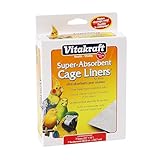
- FRESH & CLEAN EVERY DAY: Keep your bird Friend’s home tidy with these absorbent cage liners that help control odors, making daily cleanup quick, easy, and stress-free for both you and your pet.
- EASY-TO-USE DESIGN: Pre-cut 20” x 18” liners fit most standard cages and can be trimmed to size, ensuring a snug fit that stays in place while keeping your Friend’s space neat and comfortable.
- PROMOTES A HEALTHY HABITAT: By quickly absorbing moisture and controlling odor, these liners help maintain a hygienic environment, reducing bacteria buildup and supporting your bird’s well-being.
- TIME-SAVING CLEANUP: Just remove the used liner, replace it with a fresh one, and you’re done. No more messy scrubbing or complicated cleaning routines. Spend more time enjoying your feathered friend.
- QUALITY YOU CAN TRUST: Vitakraft is a trusted name in pet care. These cage liners are crafted to meet the highest standards for absorbency, durability, and bird-safe materials. Ensuring your feathered friend has the clean habitat they deserve.

Last update on 2026-02-24 / Affiliate links / Images from Amazon Product Advertising API
Care of a pet bird
When caring for a pet bird, you must take extra precautions. Unlike cats and dogs, birds need frequent cleaning, which can lead to infections.
These infections can worsen a bird’s condition if you do not clean them regularly.
Keeping a first-aid kit in your home will help you deal with an emergency and get your bird back on its feet.
Make sure to buy lead-free paint for your cage, and use only rags as bedding.
Before getting a bird, learn as much as you can about them. Small and medium-sized birds should stand on a person’s shoulder.
Otherwise, they may defecate on your shoulder or eat your jewelry. A medium-sized bird might also bite your face or ear, so keep these things away.
Once your bird is old enough to be sexually mature, you can determine how aggressive it is.
A juvenile bird will sit docilely on your shoulder, but it will begin to bite once it is fully grown.
Another important part of pet bird care is providing adequate nutrition. Your bird needs a healthy diet, so providing them with quality food is essential.
A nutritional expert will design a diet specifically for them.
Feeding your bird the right kinds of food will prevent various health issues. For instance, calcium is important for the shape of a bird’s beak.
Behavioral problems in a pet bird
Biting is one of the most common behavioral problems of pet birds.
Even though it is painful for the pet bird and owners alike, biting is a common and treatable behavior problem.
To treat this problem, you must first understand the cause of the behavior. Some birds bite out of fear, while others bite to play.
Your bird bite may be a behavioral problem, but you can deter it by identifying the cause and educating your pet bird about how to behave in the future.
The main cause of the misbehavior is the owner’s behavior. They try to feed their bird as hurriedly as possible, reinforcing the behavior.
You need to change your behavior to correct this behavior. Instead of feeding the bird in a hurry, try placing it on a perch and offering the reinforcer to the bird.
Doing so will increase the quality of your bird’s life and prevent it from getting into mischief.
If you suspect your bird has a health problem, see a veterinarian. Your veterinarian can help you determine if your bird is suffering from an illness and prescribe appropriate medications or treatments.
However, sometimes, the causes of behavior problems can be hidden in the environment, and it’s best to seek help from a professional.
You should take your bird to a veterinarian for an assessment; if necessary, training can start.

Last update on 2026-02-25 / Affiliate links / Images from Amazon Product Advertising API
Size of a cage
When buying a cage for your pet bird, consider the size and breed of the bird first. Lovebirds are small, five to six inches long, and affectionate.
They can be taught many tricks, including perching and performing fancy dances. The ideal size for a lovebird cage is at least twenty-four inches long, with multiple perches and exercise equipment.
A lovebird’s cage must be large enough to accommodate its entire body, including wings.
As with any pet, size is important, so consider your bird’s breed and size when shopping for a cage. Although a larger cage will cost more, it will be safer for your bird and offer more benefits.
For example, larger cages are often more stable. You can also consider putting toys inside to keep your bird mentally stimulated.
Using toys will also keep your bird entertained and happy, so you may want to invest in an expensive toy.
Large birds like Macaws require larger cages than smaller ones. The smallest cage size for a macaw is four feet wide, six feet tall, and 48 inches deep.
For the maximum safety of your macaw, use a stainless steel cage. In addition to the cage’s size, you should consider the breed’s temperament.
For example, macaws are known to be loud and destructive, so a cage for a large macaw should be sixty inches tall and eighteen inches wide.
Feeding a pet bird
It would be best to vary your pet bird’s diet to give it a variety of tastes and textures.
You should mix commercial food with natural, species-appropriate food. A varied diet will offer your pet mental stimulation and environmental enrichment.
Keep the food fresh and clean and store it properly to avoid spoilage. Change the food regularly and monitor your bird’s condition daily.
You can also feed your bird pellets, soaked nuts, or seeds twice weekly.
Ideally, your pet bird should be fed a mixture of vegetables and fruits. This will provide a good source of fiber and essential vitamins.
Mix in some bread, but don’t overfeed them. Pellets can be mixed with other foods, but your bird will likely pick up high-fat seeds first.
For best results, mix pellets with other foods like dried fruits or vegetables. Be sure to wash your bread and replace it before it spoils.
Add powdered vitamins to the seed mix to make your bird’s food more nutritious.
Pet stores often suggest adding supplements to bird water, but you must ensure the supplement is fortified and not flavored.
Moreover, you can’t make your birds drink water if it tastes bad, so always clean your drinking bowl before giving it any supplements.
Remember to give fresh water to your bird every day.
Care of a parrot
The care of a parrot is very important.
Parrots have a natural curiosity and enjoy making noise. During training, interact with the bird and reward it with treats and praise.
This will help you bond with your feathered family member. Eventually, your pet will become your permanent companion.
Care of a parrot for a pet bird includes regular avian veterinarian visits and specially formulated diets. Approximately 60 to 80 percent of the bird’s diet must contain this food.
Ensure that you keep the beak, nails, and feathers trimmed. Provide the bird with perches made of natural branches. Also, give it shelled nuts or destructible toys.
Be sure to allow your bird to play as much as possible. Make feeding time fun by playing games with it. This will keep them engaged and entertained for hours.
If you can’t get enough time to play with your bird, give it an afternoon to nap or play with you.
Depending on their age, parrots will go through different stages. Some will go through destructive behaviors, while others will be more tolerant and accept other pets.
Ask neighbors if they are okay with this because larger parrots can be loud.
Also, consider buying a smaller species.
If you don’t have a backyard or other outdoor space, you may want to consider a smaller species instead.