Tips For Fixing A Cat’s Bad Breath
Cat owners know that bad cat breath can be downright awful.
It isn’t much different from bad human breath, as both are caused by bacteria in the mouth that break down protein and release sulfur compounds into the air.
You may be tempted to visit a veterinarian if your cat has terrible breath.
However, while dental disease is often the culprit, there are simple, at-home remedies to fix the problem.
A few tips include brushing and dental chews.
Also, check for dental disease on your pet’s annual checkup. If all else fails, try a dental chew for your cat. Dental care should be performed at least three times per week.

- 【12 Pack Chew Sticks for Cats】Silvervine and gall fruit contain Actinidine and Nepetalactone, which are attractive to cats. This smell is very attractive to cats and can help cats relieve stress, make them energetic and happy.
- 【Teeth Grinding and Cleaning】Cat treat toy can clean and grind their teeth while eating silvervine for cats to effectively remove plaque and tartar, improve oral hygiene, keep fresh breath.
- 【Discharge Hair Balls & Improve Digestion】 Organic Silvervine sticks are rich in plant fiber, supplement vitamins, promote gastrointestinal motility, and enhance appetite, induces vomiting hairballs to help cat health.
- 【Natural Silvervine Sticks】Our silvervine sticks are made from natural silvervine, raffia, sisal rope and gall fruit (fruit of silvervine), there are absolutely safe for cats to chew and bite.
- 【Kindly Tips】98% of cats like this cat toy very much. Some cats need to be warmed up, you can interact with the cat to attract the cat to play. If your cat have reactions such as excitement, sneezing, drooling, rolling, running, purring, etc. Please don’t worry, which will disappear in about 30 minutes without any harm to the cat.
Last update on 2026-10-12 / Affiliate links / Images from Amazon Product Advertising API
Best Dental Toys for Cat’s Bad Breath
Dental health is crucial for cats’ overall well-being. Good dental care can prevent tartar buildup, gum disease, and serious health problems.
Dental toys are an excellent way to help maintain your cat’s dental health in a fun and engaging way.
Here are some of the best dental toys for cats designed to improve their oral hygiene:
1. Textured Chew Toys
These toys are often made of rubber or silicone and have a textured surface that helps clean teeth and massage gums as your cat chews on them. Look for ones designed for cats to ensure they are the right size and texture.
2. Dental Treat Balls
These are balls that dispense dental treats as your cat plays with them. Trying to get the treats out can help reduce plaque build-up. Plus, the treats themselves are often designed to promote dental health.
3. Interactive Dental Toys
Toys encouraging your cat to bite, chew, and play can indirectly benefit their dental health by stimulating saliva production and reducing plaque accumulation. Look for interactive toys that can hold your cat’s interest over time.
4. Catnip Toys
Many cats love catnip, and toys infused with it can encourage them to chew and play more, helping to clean their teeth. Ensure these toys are made with durable materials to withstand biting and chewing.
5. Dental Health Laser Toys
While not directly impacting dental health through chewing, laser toys encourage active play, boosting overall health and indirectly supporting dental health through increased saliva production during play.
Tips for Choosing Dental Toys:
- Safety: To prevent choking hazards, ensure the toy is made of non-toxic materials and is the right size for your cat.
- Durability: Choose durable toys to withstand your cat’s chewing without breaking apart.
- Interest: Pick toys that will keep your cat engaged. Every cat has its preferences, so you might need to try a few different types to find what works best.
- Supervision: Always supervise your cat when playing with new toys to ensure they’re safe and not ingesting any parts of the toy.
Remember, while dental toys can be helpful in your cat’s dental care routine, they should not replace regular veterinary check-ups and cleanings.
Always consult with your veterinarian about the best dental care practices for your pet.
Dental cleaning
Your veterinarian can perform a dental cleaning to fix your cat’s bad breath under sedation. This type of procedure may be necessary if the underlying cause of the cat’s bad breath is periodontal disease.
Your veterinarian may want to perform bloodwork to ensure that there is no disease before performing a dental cleaning.
If you suspect your cat has a dental problem, schedule a dental exam and cleaning as soon as possible.
Water additives
Dental problems are common in cats, and it is estimated that more than two-thirds will develop these issues in their lifetime. If left untreated, bacteria and plaque cause many other health issues, including tooth decay.
Luckily, water additives for cats can help prevent these dental problems from occurring—the additives work by fighting bacteria and breaking down plaque.
Many have been shown to reduce plaque formation by 50% in cats.
Cat’s Bad Breath – Try Parsley
Whether trying to fix your cat’s bad breath naturally or looking for a safe and effective alternative, parsley can help. This herb has diuretic properties, promoting increased urination, which flushes out the bad bacteria.
Parsley is also packed with vitamins and iron, making it a great choice for urinary tract health. However, it’s important to note that it shouldn’t be given to pregnant or nursing animals.

- FRESH PET BREATH – Finally say good-bye to dog and cat bad breath with our fast-acting pet bad breath treatment for dogs and cats. It’s the best, quick & easy cat & dog breath freshener.
- CLEAN TEETH AND GUMS – The easiest way to clean your pet’s teeth! Our veterinarian recommended cat and dog oral care water additive helps fight plaque and tartar for healthy teeth and gums.
- SKIP THE BRUSHING – That’s right, no more wrestling with pet toothpaste and toothbrushes; just add a capful of our cat and dog dental care liquid to their water bowl each day – it’s that easy!
- PICKY PET APPROVED – We don’t mask with mint or tea tree that can be harmful to dogs and cats. Our Pet Dental Water Additive is odorless and tasteless, so they don’t even know it’s there.
- IT WORKS – Trusted by pet parents, our cat and dog dental water additive is made in the U.S.A. with only the highest quality ingredients, and is a pet bad breath eliminator that actually works.
Last update on 2026-10-12 / Affiliate links / Images from Amazon Product Advertising API
Coprophagia
If you notice that your cat is eating non-food items, such as feces, it could be a sign of a condition called coprophagia. If this is the case, addressing this issue as soon as possible is important.
Coprophagia can cause foul-smelling breath and be a sign of other problems, including diabetes and parasites. If you suspect coprophagia, you must see your veterinarian immediately.
Stomatitis
If your cat constantly drools, he may have a condition that causes the odor. Cats can have many different causes of bad breath, but it’s often caused by an infection in another body part.
Some common causes of bad breath in cats include kidney disease, diabetes, and certain viral diseases. Foreign objects in your cat’s mouth can also contribute to bad breath.
You can remove these objects, but you’ll need to remove them before they cause serious harm.
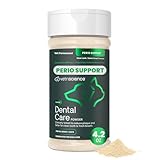
- ADVANCED DENTAL CARE POWDER: Helps reduce plaque and tartar buildup to support clean teeth and healthy gums; designed for small, medium, and large breed dogs and cats for daily no-brush oral hygiene.
- FRESHER BREATH SUPPORT: Probiotics help manage odor-causing bacteria from the inside out, freshening your pet’s breath naturally and restoring cuddle confidence.
- NO-BRUSH CONVENIENCE: Smooth, flavorless powder blends easily with kibble, canned, raw, or homemade diets; the easiest way to support your pet’s oral health without daily brushing.
- CLINICALLY TESTED FORMULA: In a double-blind study, this veterinarian-formulated supplement was shown to reduce plaque and tartar in just 28 days when used as directed.
- INGREDIENTS THAT WORK: Natural zeolites may help discourage plaque formation; cranberry supports gum tissue health; probiotics help balance oral bacteria for cleaner teeth and fresher breath.
Last update on 2026-10-12 / Affiliate links / Images from Amazon Product Advertising API
Cat’s Bad Breath – Check For Diabetes
Bad breath in a cat usually indicates a dental problem, but it can also be a sign of other problems.
If you suspect your cat has dental disease, seeing a veterinarian is important to rule out other health conditions. Fortunately, there are several simple methods to help solve the problem.
Sulfur smells bad on its own, so the breath that contains it also smells bad. The bacterium that causes bad breath in cats is normally associated with tartar buildup around the teeth.
Tartar is yellow, a coating of bacteria, food, and minerals.
To cure your cat of bad breath, you’ll need to remove the buildup of tartar. Several cat foods are designed to reduce tartar buildup, many containing enzymes that dissolve it.
You can also treat your cat; many will help eliminate and prevent tartar.
If tartar buildup is bad, you may need to have your cat’s teeth professionally cleaned.
Once the tartar has been removed, the bad breath will go away.
You may be able to clean the tartar off your cat’s teeth at home.
Several kinds of toothpaste are available for pets in several different flavors.
You’ll need a mechanical toothbrush, as motion is crucial for removing tartar buildup. Tubes of toothpaste that contain enzymes will dissolve tartar, helping to cure bad breath.
If you start brushing your cat’s teeth early, you can eliminate any tartar buildup leading to bad breath.
Some bacteria that lead to tartar can be found in your cat’s diet.
When you feed him, you should always ensure that the food he consumes doesn’t contain many bacteria. If you shop healthy and feed him only healthy foods, it can greatly help his bad breath.
When you treat your pet, make sure the treatment is designed to help with tartar.
After your cat has finished eating, you can brush his teeth or rinse his mouth.
This way, you’ll remove the bacteria from his mouth before it builds up on his teeth.
Sometimes, cats may have a bad odor in their mouth that doesn’t come from tartar or bad breath. In these rare cases, it can be either liver or kidney disease.
You should take your cat to the vet if you notice bad breath and it isn’t tartar. Even though it may have something to do with tartar, it’s better to be safe than sorry.
Your veterinarian can pinpoint the problem and tell you what the cause is and how you should fix it.