Is Your Pet Secretly Bored? Discover the Must-Have Toys They Can’t Resist
Key Ideas
- All pets experience boredom when they lack proper mental and physical stimulation. This boredom can lead to behavioral issues, such as destructive tendencies or anxiety. Acknowledging and combating boredom is important to keeping any pet healthy and happy.
- Excessive vocalization, Lethargy, Overeating, Destructive behavior, Withdrawal -if you notice any of these signs in your pet, it’s time to take action. Recognizing these behaviors should alert pet owners that their furry friend is bored and needs stimulation.
- Pets need toys to help provide the mental and physical stimulation essential to their well-being. They keep pets from getting bored, help keep them calm and anxiety-free, encourage cognitive development, and strengthen the bond between pets and their humans.
- Choosing the appropriate toys requires thinking about age, size, personality, and the safety of the toy. You can keep a pet’s playtime fresh and exciting by rotating toys frequently.
- Routine play, interaction with other animals and people, and homemade enrichment activities will enhance your animal’s existence. Providing new environments to explore is another way to beat their boredom. These activities are even more rewarding when they offer novelty and mental enrichment.
- Remember to watch your pet’s safety when giving them new toys, especially when introducing them! Make sure to use non-toxic materials for your pet’s toys. Make it a habit to check them for signs of wear and tear and replace worn or damaged items immediately to ensure safe, fun playtime.

- ORIGINAL WOBBLE WAG GIGGLE BALL: Wobble Wag Giggle is designed to peak curiosity with tubes inside that emit sounds & giggles when rolled or shaken for enriching motion play for dogs; Pets cannot resist the play-with-me giggle keeping them engaged.
- ENRICHMENT TOY: Wobble Wag Giggle interactive dog toys keep the attention of your pets by peaking natural curiosity with it’s giggle; Each time your dog gets the ball to make a noise reward them with a treat or praise them encouraging wanted behavior.
- FUN FOR ALL DOGS: Young or old, at 5.5″ x 5.5″ x 5.5″ the Wobble Wag Giggle is fun for all dogs & puppies keeping them active & entertained throughout the day with enrichment play; Wobble Wag Giggle toys encourage natural curiosity and play behavior.
- INDOOR AND OUTDOOR PLAY: These rolling balls keep dogs active, healthy, happy & fit with 4 clutch pockets for your pet to pick up with; Whether at home, in the yard or at the park your pup will love interacting with the toy creating playful giggle sounds.
- DURABLE AND SAFE: This motion play interactive rolling ball toy is made to be enriching, interactive, long lasting and durable; We recommend supervised play sessions, enhance the bonding experience by rewarding your pet with treats & praise as they play.

Last update on 2026-02-25 / Affiliate links / Images from Amazon Product Advertising API
Pets need mental and physical stimulation to be happy, but it can be hard to tell when they’re trying to communicate that they need more to do.
Just observe a bored dog pacing the room or a cat batting at invisible things.
These behaviors are often a precursor to boredom.
Using toys to stimulate their natural predatory instincts is key.
Whether it’s an interactive puzzle, a durable chew toy, or a motion-activated gadget, these toys can help transform downtime into engaging playtime.
For dogs, durable, multi-purpose chew toys or treat-dispensing balls will occupy them for hours.
Cats usually love to catch things – a real feather wand or a laser pointer to mimic the hunt.
Not only do these options keep pets entertained, but they also help support their overall well-being.
Once you know what to look for, you can start making every day more exciting and rewarding for you and your pet.
What Is Pet Boredom
Pet boredom occurs when animals, including our furry friends, are deprived of mental and physical stimulation daily.
This condition can affect dogs, cats, birds, and even pocket pets such as hamsters.
It’s more than just being bored—when their instincts, curiosity, and energy are left unfulfilled, leading to destructive behaviors like chewing their favorite toy or digging in the yard.
Like Border Collies, working breeds require much physical and mental stimulation to remain content. They are prone to becoming bored easily without adequate exercise and engaging dog toys.
This boredom can compound over time when their surroundings lack new outlets for their energy or curiosity, making introducing various dog puzzle toys into their routine essential.
You can tell when pets are bored by their behavior.
Dogs may exhibit destructive tendencies by chewing furniture or barking nonstop.
For instance, a 17-year-old blind poodle may become anxious from boredom and her condition, leading her to engage in restless pacing, which is a clear sign of her emotional attachment to her environment.
Cats may destroy furniture with claws or become excessively vocal.
These behaviors aren’t just irritating—they’re symptoms of pet boredom.
The first step in ensuring your pet doesn’t become bored is recognizing what pet boredom is. Boredom can hurt their temperament, health, and quality of life.
Remember, each species displays boredom in different ways.
While a dog may require an interactive toy to keep them engaged, a hamster may benefit from enrichment through tunnels in their habitat.
Taking the time to recognize their needs can lead to a happy, stimulating experience for both them and you, ensuring your canine companion remains entertained and fulfilled.
Common Causes of Pet Boredom
Like us, pets require change so as not to get bored. A lack of exercise is one of the biggest contributors to boredom, particularly for active breeds.
Take, for example, an energetic Labrador Retriever who doesn’t have time in his yard—he is unable to achieve energy and gets frustrated.
Repetitive routines, such as walking the same path daily, can add to the mix.
Dogs especially benefit from a change of scenery, as new smells and sights on walks can work wonders for them.
Without this, they become bored and are unfulfilled.
Environmental factors are just as important. A lack of stimulation from a boring or predictable environment will lead to pet boredom.
Dogs tend to tire of their toys, so rotating them out or buying new ones is a good idea.
Interactive toys, such as dispensing treats, help keep them engaged.
A dog solving a puzzle toy to receive a treat experiences a moment of success. This change of pace is great for combating boredom.
Engagement with pet owners has been really important.
Pets who are alone for extended periods, like 70% of dog owners indicated in a 2021 survey, can easily get bored.
Even minor adjustments in a home—such as a child going off to college—can make a pet anxious, depressed, or downright confused.
As an example, a cat might isolate or misbehave if there’s a big change in the home.
Regular engagement, such as a game of fetch or the addition of new toys, offers the mental challenge they miss.
Why Boredom Affects Pets’ Well-Being
Boredom isn’t just an emotional concern—it affects pets’ overall health and happiness. When pets become bored, they are more susceptible to anxiety.
A dog left alone for 10+ hours a day may pace, bark, or even become destructive out of boredom.
This can develop into health issues in the long term, like obesity due to lack of exercise or diseases caused by stress.
Behavioral problems are yet another result.
Chewing, digging, and scratching are all symptoms of boredom.
For instance, an energetic dog will destroy shoes and dig up the backyard. It also requires an outlet to channel that energy in a positive direction.
These behaviors can be annoying or destructive, but more importantly, they indicate something is missing.
Cats, similarly, may scratch furniture or excessively groom themselves due to boredom.
Our emotional and physical health are inextricably linked.
Pets require mental and physical enrichment to be happy and healthy. Enrichment might be as easy as providing a new chew or toy or taking your dog to a new park.
These activities keep loneliness at bay, help get us moving, and lift our mood.
By allowing a dog to smell and interact with a new environment, the dog’s senses are sharpened, and its curiosity is piqued.
This happiness leads to improved physical well-being.
![PetDroid Interactive Dog Toys Dog Ball, [Newly Upgraded] Durable Motion Activated Automatic Rolling Ball Toys for/Small/Medium/Large Dogs,USB Rechargeable(Orange)](https://m.media-amazon.com/images/I/41P-nlk1L0L._SL160_.jpg)
- 【Two modes available】Irregular Rolling Mode:Press the first button ( Blue light), and it will automatically move and rotate for 25 seconds, then stop for 5 seconds, repeating this cycle for a total of 2 minutes before entering standby mode. Crazy Bouncing Mode:Press the second button (Red light), and it will bounce for 10 seconds, stop for 5 seconds, repeating this cycle. It operates for a total of 1 minute before entering standby mode
- 【Suitable for multiple sites】Irregular running mode doesn’t work with the tennis cover,for hard floors only,and not for chewers. The tennis cover could only work under crazy bouncing mode,special for slight chewers,better work on thin carpet or a lawn outdoor for lower noise.
- 【Motion-Activated Toy】Equipped with a built-in motion sensor, this toy automatically rolls and rotates for 2 minutes or bounces crazily for 1 minute when your dog touches or bites it, then enters standby mode. The ball has built-in multi-color flashing lights that can attract more attention and bring more joy to your dogs
- 【USB Rechargeable】Built with 600mAh battery, charging 1.5 hours, working for 4 hours continuously
- 【Durable & Safe Materials】PetDroid interactive dog ball toy is made from durable polyamides that are safe and non-toxic. However, please note that the toy is not suitable for aggressive chewers
Last update on 2026-02-25 / Affiliate links / Images from Amazon Product Advertising API
Signs Your Pet May Be Bored
1. Destructive Behaviors at Home
Pets let you know when they are bored by engaging in behaviors like chewing up your favorite pair of shoes or munching on the couch.
Classic indicators include digging up the yard or shredding your favorite shoes, signaling that your furry friend needs stimulation.
A dog digging frantically, even when not trying to bury something, often indicates boredom that can be alleviated with engaging dog toys like a dog puzzle toy or interactive features that stimulate their instincts.
In more serious cases, dog boredom can lead to aggression, especially if your canine companion feels neglected.
Providing durable plush dog toys that promote chewing, digging, or other activities allows them to channel their energy into safe and appropriate outlets, meeting the needs of their natural instincts and preventing obsessive behavior.
By offering a variety of fun toys, you can help keep your dog entertained and mentally stimulated.
This reduces the risk of destructive behaviors and enhances their overall well-being, making them a happier and healthier pet.
2. Excessive Barking or Meowing
As you might guess, when pets start to vocalize more, it’s usually related to boredom or frustration. A dog barking incessantly at nothing or a cat meowing loudly and repeatedly may be trying to grab your attention.
Dealing with this behavior early on is key to stopping it from becoming routine.
Toys that promote more interactive play, like puzzle feeders or laser pointers, can give them a positive outlet for their energy.
Each of these enriching efforts helps your pet use its physical and mental energy, leaving less of a need to bark or meow from boredom.
3. Lack of Interest in Activities
If your pet suddenly stops playing games or playing with toys they used to enjoy, this could be a sign of boredom.
A dog that no longer jumps up for a game of fetch or a cat uninterested in chasing a string may need something new to reignite their curiosity.
Bringing in new toys or rotating out the ones you have can help. As always, variation is the secret to keeping pets entertained.
Like humans, once something becomes predictable, it can become boring.
4. Overeating or Loss of Appetite
Boredom can affect your pet’s eating habits, sometimes in both ways. Other pets eat more to cope with boredom, resulting in obesity.
For others, boredom might result from losing their appetite from a lack of stimulation.
For instance, if a dog takes 10 to 15 minutes to finish a meal that usually takes 2 minutes, they may need more mental engagement during feeding.
Interactive feeders or food-dispensing toys make mealtime a mentally stimulating activity that can combat overeating and lack of interest.
5. Restlessness and Pacing
Restlessness, such as pacing or circling, indicates that your pet needs more exercise and mental enrichment.
A dog that’s aimlessly roaming the house or a cat walking back and forth in front of windows could be looking for adventure.
Structured play sessions, like a daily game of fetch or chase, will go a long way in burning excess energy.
Mental stimulation, such as giving pets puzzles to solve for a reward, is another key factor in keeping your pets calm and focused.
6. Withdrawal or Excessive Sleeping
Pets withdrawing from interactions or sleeping more than normal may be bored.
A previously friendly dog that stops wanting to interact with family members or a cat that suddenly sleeps all day can be unmotivated.
Engaging them in interactive play, like toys mimicking hunting or chasing, can revive their interest in social and physical activities.
Giving attention to these changes at the outset prevents boredom from escalating into more serious behavioral concerns.
Why Toys Are Essential for Pets
Physical and Mental Stimulation Benefits
Toys are essential for a pet’s physical health, mental stimulation and behavioral enrichment. Even a basic tennis ball can inspire pets to get moving.
This playtime allows them to burn off energy, keep muscle tone, and improve their cardiovascular health.
Mental exercise is just as important. Interactive toys such as treat-dispensing puzzles stimulate pets’ natural problem-solving abilities, keeping their minds busy and engaged.
These types of play replicate natural behaviors, such as hunting or foraging, essential to their mental well-being.
Pets require both physical and mental exercises to stay healthy and happy. This daily play habit fosters a healthy weight and a sharper brain.
A properly stimulated pet is a happy pet with fewer behavioral problems.
Reducing Anxiety and Stress Through Play
Keeping pets active through interactive play with toys helps to reduce anxiety. For instance, a plush chew toy might soothe a dog experiencing separation anxiety.
Toys provide an outlet for their nervous energy.
Cats will go crazy on toys such as feather wands. These toys stimulate their predatory instincts and give them a calming experience.
Routine interactive play helps shy pets become more confident.
Even during stressful events like moving or vet visits, familiar toys can offer comfort and stability, helping pets feel secure.
Encouraging Healthy Exercise Habits
Engaging in active play is crucial for all pets, including your furry friend, to maintain fitness and health.
Toys like frisbees or tug ropes encourage dogs to run and jump and foster interaction with other pets, providing them with essential cardio-based exercise.
Incorporating a dog puzzle or snuggle toy can enhance their playtime experience, keeping them entertained and active.
Cats, likewise, enjoy a game of chase with laser pointers or swatting at hanging catnip toys that keep them active and healthy.
Keeping pets at a healthy weight by engaging them in regular active play helps prevent obesity-related conditions such as diabetes.
When paired with their favorite dog toys, exercise greatly improves a pet’s overall health and happiness, leading to more playful and satisfied companions.
Supporting Dental Health in Pets
Chew toys are especially good for dental care, making them a huge dog plus.
Toys specifically made for chewing help eliminate plaque buildup and clean and massage gums, saving your pet from periodontal disease.
Dental health is directly related to your pet’s overall health. Untreated infections in the mouth can fail major organs and a systemic health collapse.
Adding dental-specific toys to playtime helps avoid health problems down the road.
These toys are perfect for keeping your kid’s teeth and gums strong and healthy.
Enhancing Learning and Problem-Solving Skills
Puzzle toys are a great form of mental enrichment, forcing pets to use their minds and problem-solving skills. Toys that conceal treats invite pets to figure out puzzles and reveal prizes.
This playful practice gets their brains working, too. Engaging in this imaginative play helps deepen the relationship between pets and their companion humans.
As they work together to solve these puzzles, they strengthen their bond.
Not only do interactive toys keep pets entertained for longer periods, but they also help stimulate positive behavior.
Pets that are mentally stimulated are happier and develop healthier habits.
They’re less likely to destroy your couch or go after their tails.

- DURABLE, LONG-LASTING – Super chewer? Bring it on. Benebones are tougher than real bones and last for weeks.
- REAL BACON! – We use only 100% REAL BACON for flavor. Trust us, dogs can tell the difference.
- EASY TO PICK UP AND CHEW – The Wishbone is curved for a paw-friendly grip so your pup can quickly grab it and get a good chew going. Think about it: dogs don’t have thumbs.
- MADE TOUGH IN AMERICA – You need it tough, right? We get it. It’s made and sourced in the USA.
- HAPPINESS, GUARANTEED – Have an issue? Want to chat? Reach out to us directly and you’ll get a real person whose sole job is to make you and your pup happy.
Last update on 2026-02-25 / Affiliate links / Images from Amazon Product Advertising API
Types of Toys for Pets
Pets need play to be their best selves, and the right toys can do wonders to keep them engaged and entertained.
From interactive to plush toys, knowing the different types of toys will allow you to choose the right one for your pet’s needs.
Here’s a breakdown of the main types:
- Interactive toys: Fetch items, tossing toys, and puzzle games.
- Chew toys: Durable options for aggressive chewers.
- Plush toys: Snuggle companions for emotional comfort.
- Teething toys: Specially designed for puppies during teething stages.
Interactive Fetch and Toss Toys
Fetch toys such as the Ultra Ball deliver fantastic physical exercise while strengthening your relationship with your pup.
Its smooth, easy-to-clean surface doesn’t attract dirt, so it’s ready for outdoor play anytime.
Tossing toys such as the Paraflight Flyer recreate natural prey, sparking instinctive chase instincts. For a more active playtime, the Chuckit! Ultra Ball Launcher increases fetch time without hurting your throwing arm.
Choose safe materials, like non-toxic rubber, so your pet can play safely.
Durable and Safe Chew Toys
Chew toys are a must for dogs that dig those chomps. For a healthy alternative to sticks that last long, check out the Benebone Wishbone, made for power chewers.
Durable rubber or nylon resists wear and tear, while cleaning teeth by reducing plaque. Durable toys stand up to regular use and keep pets engaged and busy for hours on end.
Engaging Puzzle and Brain Games
Puzzle toys such as the Outward Hound Hide-A-Squirrel keep pets mentally engaged, which is important for their well-being and helps prevent boredom.
These toys are great boredom busters, anxiety relievers, and focus promoters!
Increasing challenge levels keeps your pet challenged and interested, allowing them to develop cognitive skills.
Comforting Plush and Snuggle Toys
Plush toys provide pets with emotional support. Soft and cozy, they can recreate the warmth of a companion, soothing anxiety when left alone.
Choose washable toys to keep your pet’s toys clean and bacteria-free.
Plush toys are great for young pets getting used to new surroundings.
Specialized Teething Toys for Puppies
Dog puppies require teething toys to help ease pain in their gums and stop them from chewing on your valuable possessions.
Options such as the Kong Classic, made of safe, strong, yet gentle rubber, are perfect.
These toys decrease chewing on furniture and shoes, letting puppies safely explore their environment while they develop.

- 2-in-1 Puzzle & Dog Toy: Combines a plush toy with an interactive hide-and-seek puzzle that engages hunting instincts and prey drive
- 6 Squeaky Squirrels: X-Large tree trunk (12.6″ x 7.1″ x 7.1″) holds six squeaky squirrels for pups to find and tug out; extra squirrels sold separately
- Soft & Snuggly: Plush material and cozy stuffing make it perfect for cuddling, carrying, and gentle play
- Boredom Buster: Encourages problem-solving and offers enrichment for hours of fun
- Play It Safe: No toy is indestructible. Do not leave toys with unsupervised pets. Remove and replace if damaged.
Last update on 2026-02-25 / Affiliate links / Images from Amazon Product Advertising API
How to Choose the Right Toy
Choosing the appropriate dog toy for your pet will ultimately depend on a combination of factors addressing their needs.
Here are key points to guide you:
Young puppies and kittens benefit from softer, gentler toys that won’t harm their growing teeth.
Senior pets usually prefer less intense activities, such as with plush toys or slow feeders.
Always select toys that are the right size to avoid choking hazards.
For example, a big dog could choke on a small ball, so choosing bigger, indestructible dog toys is preferable.
Watch to see what catches your pet’s eye. Active pups will love to fetch balls or tug ropes, while calmer pets may like plush toys for comfort.
Breeds such as retrievers enjoy the activity of carrying objects, so lightweight yet durable toys are the best choice.
Always inspect toy materials. Stay away from lead or other toxic substances that can be found in paint or dyes.
Non-toxic rubber or nylon toys are safer options that help avoid many possible health concerns.
Read labels closely, particularly regarding plush toys, to ensure they comply with child safety requirements.
Durability is also an important factor.
High-energy pets need sturdy options that endure rough play. Hard rubber toys like the original Kong products are wonderful, but watch for wear to prevent tooth damage.
Durable plush dog toys last longer, must be replaced less often, and are safer over time.
Finally, weekly toy rotation prevents boredom and keeps playtime exciting.
Introducing new dog puzzle toys one at a time lets you figure out what your pet prefers while preventing waste.
Keeping things interesting keeps them mentally stimulated.
Tips for Introducing New Toys
Gradual Introduction to Avoid Overwhelm
Suddenly, introducing a new dog toy can often make pets nervous. To add young dogs, this reaction is probably connected to their essential socialization.
This critical window extends from 3 to 14 weeks. At this age in development, they’re still learning how to process new experiences, so introducing a toy without warning might lead to anxiety.
Introduce new dog puzzles slowly. Start with one new toy and see how your pet interacts with it.
This gradual approach builds trust and allows them to get used to the item in their own time.
Watch your furry friend for signs of interest or hesitation, such as sniffing or pawing, to ensure they acclimate properly.
If they don’t give you that reaction, put the toy to the side of where they hang out the most. That way, they can play with it when ready to engage.
Comfort-based toys can provide a sense of security for puppies experiencing separation anxiety or difficulty sleeping in a new home.
These toys replicate the warmth or softness of their littermates, making their transition that much easier.
By proceeding at a measured pace, you are fostering a safe space where curiosity, not caution, is the guiding ethos.
Encourage Interaction Through Playtime
Sometimes, new dog toys don’t interest a pet immediately, but playtime can assist in easing the transition.
Interactive play, where you’re teaching your furry friend while you both have fun with the new toy, can help keep it interesting, too.
It introduces new movement and excitement, especially for active pups, whether using a tug toy or rolling a ball across the floor.
This imaginative,e open-ended play is what draws them in. It’s not only a great way to expose them to the toy, but playing together is also an opportunity to deepen your relationship.
Pets are always looking for behavioral signals from their humans, so engaging with many toys can be beneficial.
By participating, you help prove to everyone that the toy is both safe and awesome to play with!
Exercise and stimulation through interactive play, like fetch or chase, is a great way to keep a canine companion mentally sharp and entertained.
A dog puzzle toy that’s a real challenge today might only be as challenging as the dog works out how to tackle it over time.
Changing out the toys in play sessions helps make every new session exciting, ensuring your dog doesn’t get bored with the same old toys.
Monitor Safety During Initial Use
No matter how tough the dog toy, supervision is critical, especially for puppies with needle-sharp teeth.
It’s hard to anticipate how easily they’ll chew through materials unexpectedly, which can pose choking or other hazards.
During the initial play sessions with many toys, keep a close eye out to ensure safety.
If a toy begins to wear, such as if pieces come loose or strings become frayed, take that toy away right away to prevent choking.
For younger pets, supervision is even more imperative. Puppies are future chewers, too.
Keep a close eye on them to catch any problems before they take hold.
By doing this, you can ensure their adventures with dog puzzles remain fun and safe.

- 【Dog Toys for Aggressive Chewers】Fuufome plush dog toys features a realistic cartoon design that will keep your dog interested and satisfies the dog’s natural urge to chew.This large dog toys can accompany your dog for a fun time. Large dog plush toys length is 13.5 inch, perfect pet dog toys
- 【Squeaky Puppy Toys】This dog toys has a squeaker in the hend, squeaks when dogs chewing can sustian playing time, The dog chew toys has realistic eyses that can arouse the dogs desire to attack, reduce the dogs loneliness, reduce the frequency of their biting and barking, and release the dog’s emotions.Simultaneously, the puppy toys are perfect as a toss, chew, fetch and pull toy for Chihuahuas, Corgis, Pomeranians and Poodles
- 【Plush Dog Toys】This dog toy for large dogs is made of upgraded soft pineapple cotton, thicker fabric and stronger stiching than any plush dog toys, and soft cotton for comfortable touch for dogs without hurting gums and mouths, without getting easily broken.Great as puppy teething toys
- 【Large Dog Toys Great for Multiple Dogs】Our plush dog chew toys comes with 6 extra-long legs, the extra-floppy body is easy to grab great for multiple dogs tug and toss. Prefect dog toys for large dogs, at the same time, it is a good traing toy for puppies small, medium and large dogs
- 【Pet Toys Perfect for Cuddling】Our soft, plush-textured dog chew toy is the perfect cuddle buddy. It’s great for pets that love to curl up and snuggle with stuffed toys
Last update on 2026-02-25 / Affiliate links / Images from Amazon Product Advertising API
Reward Positive Engagement with Treats
Positive reinforcement works wonders for getting your furry friend to play with their favorite toy.
Once your canine companion engages with the dog toys, you can reward them with a tasty treat to form a positive association with that particular toy.
When you see them chewing or playing with a new dog puzzle toy, immediately reward them with a high-value treat.
Remember to provide lots of encouragement! That mix of immediate and delayed rewards makes them want to keep playing, keeping bored dogs engaged in the behavior.
In the long run, this method can assist with training and help prevent behavioral disorders.
Make your pet’s toys lead to good times.
This will help excite your active pup to use the toys and stop them from chewing on other things, ensuring a stimulating experience that empowers and engages your furry companion.
Additional Activities to Prevent Boredom
Incorporate Regular Exercise Routines
Committing to regular exercise routines helps keep pets physically fit and mentally stimulated.
Daily walks or off-leash play sessions develop not just muscles but also minds.
For dogs, games of fetch, tug-of-war, or agility exercises can create a stimulating play session.
Laser pointers, wand toys, or climbing furniture can help keep your cat active.
Regular exercise keeps boredom and anxiety at bay and lowers the chance of behavioral problems like chewing or barking excessively.
In addition, it contributes to better health by keeping people at a healthy weight, increasing cardiovascular fitness, and building strong muscles.
Changing up exercise routines helps prevent pets from getting bored. Experiment with different walking routes or new games for a new experience each time!
Provide Social Interaction Opportunities
Positive socialization is vital to a pet’s emotional health. Playdates with other pets or interactions with new people teach social skills, expose pets to new behaviors, and help reduce boredom.
These types of activities help reduce anxiety and promote healthy social skills.
With supervised group play in safe surroundings, pets can get the socialization they need while staying safe from harm.
Providing consistent social opportunities will build confidence, particularly in younger animals, and help shape a well-adjusted, emotionally stable companion.
Create DIY Enrichment Projects at Home
DIY enrichment toys can provide pets with hours of affordable entertainment.
An empty plastic bottle half-filled with kibble or an old t-shirt braided into a rope will keep her busy for hours. These projects spark mental and physical action, sparking imagination and innovation.
Using safe, non-toxic materials is key to keeping your pet safe.
By rotating toys or introducing new ones occasionally, you can keep your pet engaged without breaking the bank.
Explore New Environments with Supervision
Discovering novel spaces sparks inquiry and offers rich multisensory experiences.
Whether it’s a local park, trail, or even exploring other neighborhoods, fresh new smells, sights, and sounds help keep pets mentally stimulated.
Gradual exposure makes sure they are not too overwhelmed, and supervision makes sure they are safe.
Switching up the walking route every few days injects newness into their routine, avoiding boredom. These adventures help deepen a pet’s experience and spirit of exploration.
Safety Considerations for Pet Toys
When choosing toys for your pet, safety should always be your priority.
Since pets play with toys in unexpected ways, keeping them safe requires you to be aware of possible dangers and take prevention measures.
Toys that are poorly constructed or that are not appropriate for your pet can be dangerous.
They can lead to choking, injury, and even chronic health issues.
For instance, if a toy has sharp edges or is a broken toy, it can injure your pet’s mouth or feet while playing.
Likewise, toys containing removable parts, such as squeakers or buttons, can easily be ingested, leading to deadly hazards.
Prevent Choking Hazards with Proper Sizes
Choosing appropriately sized toys for your pet is important.
Toys that are too small pose an immediate choking hazard for larger dogs, and toys that are too large can frighten and intimidate smaller animals, such as kittens.
A durable Kong-type toy made for a Golden Retriever is probably too large for a Chihuahua.
The small dog would have a hard time playing with it safely.
Check plush or squeaky toys regularly for loose or broken parts. These parts constitute a choking hazard if ingested.
Choose appropriately sized toys to ensure playtime is safe!
For a medium-large dog, a heavy-duty rubber bone is a great option that greatly reduces the possibility of harm.
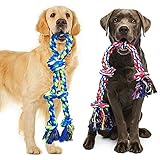
- 2 Pack XL Dog Rope Toy: Design for large dogs and aggressive chewers, consists of 2 durable XL rope toys, 27 inches of 4 knots and 20 inches of 5 knots
- Durable and Safe Material: Washable 100% natural cotton ropes, safe and durable
- Teeth Cleaning: Tasteless natural material can safely clean the teeth of dogs, the fibers can floss in between dog’s teeth for deep cleaning, prevent the accumulation of dental plaque and gum disease, keep the dog’s teeth clean
- Tug of War Interactive Dog Toys: Suit aggressive chewers for tug of war game, you can play with the dog by ropes
- Dog’s Gift: These dog rope set toys are perfect as a dog gift for a birthday, adoption anniversary or any holiday
Last update on 2026-02-25 / Affiliate links / Images from Amazon Product Advertising API
Maintain Cleanliness of Toys Regularly
Ensuring your pet’s clean is as important as picking safe toys. Dirty toys can pose the risk of bacteria growing on them, leading to infections or other ailments.
Toys should be cleaned according to the material they are made from.
Rubber or silicone toys are typically dishwasher or warm, soapy water, water-safe, but multiple pet fabric toys may require a gentle wash cycle.
Keeping toys clean will not only keep your pet healthy, but it will keep them more interested in the toys themselves. Pets naturally gravitate towards new, unspoiled toys.
By caring for them, you can ensure they last through more playtime adventures to come!
Replace Damaged or Worn-Out Toys
It goes to show that regular inspections are the best way to ensure the safety of toys.
Check for any wear and tear, like frays, cracks, or missing pieces. Inspect bone chews daily.
If you see any parts breaking off, discard the toys right away to avoid any small bits from being ingested.
Torn or damaged toys pose a serious safety risk, creating sharp edges that can slice open your pet’s mouth or paws, resulting in painful external lacerations.
By quickly replacing broken or otherwise worn toys, you reduce hazards while ensuring a safe space for play.
Rotating toys weekly will make them feel new and unexpected, helping to prevent your pet from getting bored.
Conclusion
It shouldn’t be so intimidating to keep your pet happy and engaged. Find the right toy to unlock your pet’s playful side and avoid boredom.
There’s an ideal puppy chew toy out there for your little one. For your feline, no matter how curious, get an interactive cat puzzle or mystery toy that fits their personality and play style!
Taking note of what they enjoy and what bores them makes it easier to choose the right one.
Add in some focused playtime and enrichment activities to keep them on their toes, so to speak.
As with any new toy, supervise your pet’s use at first for safety.
Just a few changes can make all the difference in helping to prevent your pet’s boredom.
Shop smart and discover the toys that give your pet the most joy. You’ll know you’ve hit the jackpot when you see their wagging tails or purring satisfaction!

- Greenies Dog Treats For Daily Dental Care: Greenies natural dog teeth cleaning treats are crafted to support the 4 areas veterinarians check most: plaque, tartar, gums, & breath and are made with natural ingredients plus vitamins, minerals & nutrients
- Veterinarian-Recommended Dog Dental Treats: Greenies Dog Treats are veterinarian-recommended dental dog chews that clean teeth and freshen dog breath
- Dental Chews For Dogs Fights Tartar: Including Greenies teenie size dogs teeth cleaning treats into your daily dental care routine supports 47% less tartar accumulation and 40% less plaque accumulation in 28 days (Data on file)
- Clinically Proven Dog Teeth Cleaning Treat: These Greenies dental treats for dogs offer clinically proven dental care to help maintain your four-legged friend’s oral hygiene
- Unique Texture For Dog Teeth Cleaning: Made for small breed dogs (5-15 lbs.), Greenies dental treat for dogs have a unique design that cleans down to the gumline and positively balances the oral microbiome to help support whole-body health
Last update on 2026-02-25 / Affiliate links / Images from Amazon Product Advertising API
Frequently Asked Questions
What is pet boredom?
Pet boredom happens when animals don’t get enough attention, exercise, or playtime. Otherwise, they may become destructive, restless, or even depressed.
How can I tell if my pet is bored?
Common signs of boredom in your furry friend include chewing on furniture, increased barking, pacing around the house, or lacking interest in their favorite toy.
Why are toys important for pets?
Toys, especially dog puzzle toys, are one of the best ways to keep pets, including mentally and physically active pups, serving as boredom-busters and health-promoters.
What types of pet toys are ideal for combating boredom?
Stuffable interactive toys, dog puzzle toys, durable chew toys, and toss-and-fetch toys are some of the best to introduce for your active pup. Pick toys that are appropriate for their size and energy level.
How do I pick the right toy for my pet?
Consider your furry friend’s breed, size, and play style when selecting their favorite toy. Durable plush dog toys are perfect for aggressive chewers, while dog puzzle toys cater to little explorers.
How can I safely introduce a new toy to my pet?
Always supervise your furry friend during initial playtime with their new dog toy. Give them room to discover the toy at their own pace while ensuring it’s safe, with no small parts they can swallow.
What other activities can help prevent pet boredom?
Daily walks, training sessions, and interactive playtime with various dog toys can help alleviate pets’ boredom. Regularly rotating these toys keeps them engaged.