10 Important Tips For Training Puppies
Training a puppy with a professional dog trainer is crucial for the well-being and happiness of pet parents.
Basic obedience is an important aspect of puppy training
Early training is essential for dogs’ trust and shaping a puppy’s behavior.
It helps instill basic obedience and good habits, benefiting pet parents and furry friends.
Additionally, training provides mental stimulation and exercise for the puppy.
No products found.
Understanding the importance of basic obedience training for dogs and its numerous benefits can help pet owners establish a strong bond with their furry companions.
Trusting in the process and working to train your dog can lead to many good things.
A well-trained puppy not only brings joy to their pet parents but also contributes positively to the overall harmony of the household.
Dog training can be a fun and rewarding experience for the owner and the puppy.
From basic commands to socialization skills, proper training equips dog puppies with the tools to navigate life confidently.
This is important for pet parents as it ensures their furry friends have fun and stuff in their lives. However, successful training requires the right guidance and expertise.
This comprehensive guide will discover ten invaluable tips for effectively training your dog.
Training your dog can be a fun and rewarding experience.
One important aspect of training is teaching your dog the recall command.
This command is crucial for keeping your dog safe and under control.
Another tip is to use positive reinforcement when training your dog, rewarding them for good behavior.
It’s also important to train your dog to behave well in the car, ensuring a safe and enjoyable travel experience for you and your furry friend.
Each dog training tip has been carefully curated to provide practical advice for puppy training classes covering various canine education aspects. These tips are designed to make the training process fun and effective.
Following these tips will equip you with the knowledge and strategies to train your puppy successfully in puppy training classes.
Your furry friend will learn to behave in the car and become a well-behaved dog.
Enrolling in Puppy Class for Positive Reinforcement Training
Enrolling your dog in a reputable puppy class focusing on positive reinforcement techniques is a great way to kickstart their training journey.
Whether you take your dog for car rides or want to ensure their well-being, a puppy class can provide the foundation for their future behavior.
These dog training classes provide an excellent opportunity for you and your furry friend to learn and grow together in car safety.
Let’s explore why enrolling in a puppy class can enhance your car training experience and the advantages of socializing your car with other dogs.
Find Reputable Puppy Classes
When training your dog, it’s important to research and find reputable car trainers who prioritize positive reinforcement techniques.
Look for dog training classes led by experienced trainers who understand puppies’ unique needs and use reward-based methods rather than punishment.
These classes will help your dog learn how to behave in a car.
Positive reinforcement involves rewarding good behavior in dogs with treats, praise, or playtime in the car, which helps create a positive association between good behavior and rewards.
Enhance Your Training Experience
Enrolling in a dog puppy class can significantly enhance your training experience as a dog pet parent.
These dog classes provide structured sessions where you’ll learn essential dog training techniques, such as teaching basic dog commands like sit, stay, and come.
The guidance from professional dog trainers ensures that you’re using effective methods while avoiding harmful practices for your dog.
Socializing Your Puppy
One of the key benefits of joining a puppy class is the opportunity for dog socialization.
Puppies need early exposure to different environments, people, and other dogs to develop into well-rounded adults.
In these dog classes, your pup will have supervised interactions with other puppies, which helps them learn appropriate play behaviors and develop good manners around their dog peers.
Advantages of Socializing with Other Dogs
Socializing your puppy with other dogs not only promotes better behavior but also has several other advantages:
- Building Confidence: Interacting with different dogs helps boost your pup’s confidence levels.
- Learning Bite Inhibition: Through play sessions with other puppies, dogs learn how to control their bite strength.
- Improving Communication Skills: Dogs communicate through body language, and socialization helps your pup understand and respond appropriately to different canine cues.
- Preventing Dog Behavioral Issues: Early dog socialization can reduce the risk of future dog behavioral problems, such as dog aggression or dog fearfulness.
The Power of Positive Reinforcement
Puppy classes focusing on positive reinforcement techniques make dog training sessions enjoyable for you and your pet.
Instead of relying on punishment or force, positive reinforcement uses rewards like treats, praise, or a favorite toy to reinforce good behavior in dogs.
This approach encourages dog puppies to repeat desirable actions and creates a strong bond between you and your furry dog companion.
Making Training Fun
In dog puppy classes, trainers often incorporate dog games and interactive activities to make the dog training sessions engaging and fun.
These playful approaches keep your dog excited about learning new things while providing mental stimulation for your puppy.
Remember, training a dog is important because puppies have short attention spans. Incorporating play into dog training keeps them motivated and eager to participate.
Enrolling in a puppy class provides professional guidance and an excellent opportunity for socialization with other dogs.
With positive reinforcement techniques at the forefront, these dog training classes create a positive learning environment where you and your dog can thrive.
So why wait?
Sign up for a reputable dog puppy class today and embark on an exciting dog training and bonding journey with your furry friend!
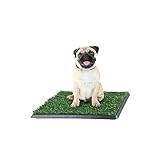
- DOG PEE GRASS WITH TRAY – This artificial turf dog pee pads provide a sanitary place for your pet to relieve themselves inside dog house, puppy playpen, on your balcony or patio. A reusable alternative to disposable dog training pads for small-sized pets.
- EASY PUPPY TRAINING – Potty training your new best friend just got easier, even if you live in an apartment or work long hours. These washable pee pads for dogs help avoid accidents while enforcing your pup’s training that they should go potty on grass.
- THREE-LAYER SYSTEM – The artificial dog grass mat sits on top of a secure plastic drainage insert that allows liquid to empty into the durable collection puppy pad holder to avoid messes and spills.
- EASY CLEAN-UP – Cleaning this reusable grass pad for dogs is quick and easy. Rinse the three layers of the dog potty tray with soapy water and clean-up is complete.
- PRODUCT DETAILS – Materials: Synthetic Plastic (Grass Mat) and Hard Plastic (Tray and Insert). Dimensions: (L) 20” x (W) 16” x (H) 1.25”. Color: Green and Black.

Last update on 2026-10-18 / Affiliate links / Images from Amazon Product Advertising API
Establishing a Positive Training Foundation and Building Self-Control
A positive relationship is crucial to a successful training journey with your dog.
You can help your furry friend develop good behavior and avoid bad habits by setting clear boundaries and rules.
Teaching self-control and patience will go a long way in shaping their behavior positively.
Understand the Significance of Establishing a Positive Relationship
Building a strong bond based on trust and respect is essential. Establishing a positive relationship creates an environment where your pup feels safe, loved, and motivated to learn.
This foundation will set the stage for effective training sessions that yield great results.
- Spend quality time together: Engage in activities that allow you to connect with your puppy emotionally. This could include cuddling, playing games, or going for walks.
- Use positive reinforcement: Reward good behavior with praise, treats, or toys. This helps reinforce desirable behaviors while encouraging your puppy to repeat them.
- Be patient and understanding: Remember that puppies are still learning and may make mistakes. Stay calm and avoid using force or punishment, as this can damage the trust between you and your furry companion.
Set Clear Boundaries and Rules from the Beginning
Establishing clear boundaries is vital for your puppy’s well-being and safety. It helps them understand what is expected of them in different situations.
Here are some tips for setting boundaries:
- Define “off-limits” areas: Decide which parts of your home are off-limits for your pup. Use baby gates or closed doors to restrict access until they learn appropriate behavior.
- Teach basic commands: Start with simple commands like “sit,” “stay,” or “come.” Consistently reinforce these commands during daily interactions.
- Consistency is key: Ensure everyone follows the same rules consistently so your puppy doesn’t get confused.
Discover Effective Methods for Teaching Self-Control and Patience
Teaching your puppy self-control and patience is crucial for their overall behavior development.
Here are some effective methods to help them learn:
- Use impulse control exercises: Engage in activities that require your pup to wait patiently, such as waiting for meals or toys. Gradually increase the duration of waiting time.
- Practice the “leave it” command: Teach your puppy to leave objects or treats on command. This will help them understand that not everything they want can be theirs instantly.
- Incorporate mental stimulation: Provide puzzle or treat-dispensing toys requiring problem-solving skills. This helps channel their energy and teaches them patience.
By establishing a positive training foundation and focusing on building self-control, you’ll set your puppy up for success in their training journey.
Remember, consistency, patience, and positive reinforcement are key elements in shaping good behaviors while avoiding problem behaviors.
With time and dedication, you’ll witness your furry friend grow into a well-behaved and happy companion.
Effective Potty Training Techniques and Consistent Supervision
Potty training is a crucial aspect of raising a puppy, and it requires patience, consistency, and effective techniques. You can establish good bathroom habits in your furry friend by exploring proven methods for successful potty training and understanding the importance of consistent supervision.
Proven Techniques for Successful Potty Training
Several techniques have been proven to be effective:
- Establish a designated potty area: Designate a specific spot in your yard where your puppy wants to do their business. This helps them understand where they should go when nature calls.
- Use positive reinforcement: When your puppy successfully goes potty in the designated area, reward them with praise or treats. Positive reinforcement helps reinforce the desired behavior.
- Establish a routine: A consistent schedule for feeding and taking your puppy outside can help regulate their bathroom habits. Take them out first thing in the morning, after meals, before bedtime, and regularly throughout the day.
- Monitor their water intake: Controlling how much water your puppy drinks can help prevent accidents indoors. Provide fresh water at specific times during the day.
- Keep an eye on body language: Pay attention to signs that indicate your puppy needs to go potty, such as sniffing around or circling an area. By recognizing these cues, you can quickly take them outside to avoid accidents indoors.

- Dog training collar design with vivid icons – enhancing visual training feedback: The same training icons are designed on both the remote and the dog training collar. When the remote sends a training command, the corresponding training icons will light up on the collar, which is more intuitive to view the working status of the electric training collar, thus enhancing the visual feedback during the training process
- 3 training modes – enhancing training effectiveness: Evuime dog training collar with remote offers 3 training modes: beep, viration (1-8 levels). Adjustable training levels allow for training based on each dog’s differences. Adjust the level according to dog’s reaction and behavior to meet the needs and abilities. Thus changing your dog’s bad habits effectively by using dog training collar
- Fast response speed – enhancing training experience: Evuime dog training collar with remote use smart chip to enhance faster response time. When dog comes to reinforcing positive behavior or correction, click the button, the signal will be transmitted to the collar quickly. Ensuring your commands are accurately and immediately communicated. This enables your furry companion to understand without confusion
- Small design – enhancing comfortable wear: Our dog training collar is smaller design. Compact collar reduces the burden on the dog’s neck and thus ensure long-term wearing comfort. And waterproof receiver, allowing you to confidently use the dog training collar with remote for outdoor training. The strap is soft and non-odor, dog training for large dogs and medium dogs, all breeds with neck circumference of 6”-27” and weight from 8-120lbs. Please measure neck circumference and adjust the strap before using
- Long battery life – extended long working time: The training collar for dogs extend the battery life. Comes with a charging cable, please use it to charge. Train and enjoy, get the well-behaved puppy you’ve always dreamed of with Evuime rechargeable dog trainer collar
Last update on 2026-10-18 / Affiliate links / Images from Amazon Product Advertising API
The Importance of Consistent Supervision
Consistent supervision plays a vital role in successful potty training for puppies:
- Prevent accidents: By keeping an eye on your puppy at all times, you can prevent accidents from happening inside the house. If you notice any signs that they need to go potty, immediately take them outside to their designated area.
- Redirect inappropriate behavior: If you catch your puppy in the act of having an accident indoors, avoid punishment. Instead, calmly redirect them to the designated potty area and praise them when they finish.
- Use confinement when necessary: When you cannot directly supervise your puppy, confine them to a small, safe area such as a crate or playpen. This helps prevent accidents and teaches them to hold their bladder until taken outside.
- Give attention to good behavior: Whenever your puppy goes potty in the designated area, give them plenty of attention and praise. This reinforces the idea that going potty in the right place is a positive action.
- Teach basic commands: Teaching your puppy basic commands like “sit” can be helpful during potty training. By teaching them to sit on command before going outside, you can ensure they are calm and focused before heading to their designated spot.
Remember, consistency is key. Stick to a routine, provide consistent supervision, and use positive reinforcement to help establish good bathroom habits in your furry friend.
Incorporating Training into Daily Life and Teaching Commands
To ensure effective puppy training, it’s essential to find ways to integrate training into everyday activities. Doing so can create a consistent learning environment for your furry friend. Teaching them essential commands will help establish clear communication between you and your pup.
Discover ways to integrate training into everyday activities with your puppy.
Training sessions must not be confined to a specific time or place. Instead, look for opportunities throughout the day to reinforce commands and behaviors.
For example:
- During mealtime: Use the “sit” command before placing their food bowl down.
- Going for walks: Practice loose leash walking by rewarding your puppy when they walk calmly beside you.
- Greeting people: Teach your pup to sit politely when meeting new humans.
- Playtime: Incorporate training into games such as fetch or hide-and-seek.
By incorporating training into various aspects of daily life, you create a well-rounded learning experience for your puppy.
Learn essential commands such as sit, stay, and come.
Teaching basic commands is crucial for establishing control and ensuring your pup’s safety.
Here are a few essential commands every puppy should learn:
- Sit: This command teaches your dog to sit on cue and helps prevent jumping on people or furniture.
- Stay: Teaching “stay” helps keep your pup in one place until released, particularly useful when they need to remain calm and focused.
- Come (Recall): The recall command is vital for keeping your dog safe off-leash and ensuring they return to you promptly when called.
Consistency is key when teaching new commands.
Use the same words consistently and reward your pup with treats or praise when they respond correctly.
Break down each command into small steps, gradually increasing difficulty as they master each level.
Understand how consistency is key when teaching new commands.
Consistency is vital in puppy training. Dogs thrive on routine and repetition, so it’s important to be consistent with your commands, rewards, and expectations.
Here are a few tips for maintaining consistency:
- Use the same command word each time: Consistency in language helps your pup associate specific actions with certain words.
- Reward consistently: Whether it’s treats or praise, reward your pup every time they follow a command correctly.
- Be patient and persistent: Training takes time, and puppies may need multiple repetitions before fully grasping a command.
By being consistent in your training approach, you’ll help your puppy understand what is expected of them and reinforce positive behaviors.
Incorporating training into daily life and teaching essential commands are crucial aspects of puppy training.
By finding ways to integrate training into everyday activities and establishing clear communication through commands, you’ll set the foundation for a well-behaved and obedient furry companion.
Remember to be patient and consistent, and make learning fun for you and your pup!

- Bell are made of premium quality material, the surface of bell adopt Plating coating technology to keep it shine and don’t rust. Inside ball is made of premium stainless steel to make jingle sounds clear and crisp. Jingle jingle jingle sweet sound.
- Sturdiness and Durability. Belt is made from heavy duty nylon material and tested thoroughly for durability. The connection parts are well-made, solid and reliable. Belts are excellently sewed; the connection parts of the bells and snap points are thick made from premium material.
- The length can be adjusted in three levels. 3 snaps/buttons for longer range of length adjustment, adjust the belt according to dog size.
- Train your dog to ring a bell to go outside or potty with our Luckyiren dog bells, it’s an easier way, fun and win-win way for your dog to communicate with you instead of barking and scratching.
- Important note: This product requires dogs to complete the training process in the instructions to achieve the desired effect.
Last update on 2026-10-18 / Affiliate links / Images from Amazon Product Advertising API
Socializing Your Puppy and Teaching Body Handling Skills
Socialization is crucial for the development of puppies. It helps them become well-adjusted and confident in various situations. By introducing your pup to different people, animals, and environments early on, you can help them build positive associations and reduce the likelihood of fear or aggression later in life.
Why socialization is crucial for puppies’ development
Socializing your puppy involves exposing them to various experiences, including meeting new people, interacting with other dogs, and exploring different environments.
This process helps them navigate the world and develop important social skills.
- Pros
- Builds confidence: Socialization allows puppies to become familiar with new experiences, boosting their confidence levels.
- Reduces fear: Early exposure to various stimuli helps prevent fear or anxiety-related behaviors in adulthood.
- Promotes good behavior: Proper socialization decreases the chances of developing unwanted behaviors such as aggression or excessive barking.
- Cons
- Overwhelming experiences: Introducing your puppy to too many new things at once can be overwhelming. It’s essential to gradually expose them to new situations while monitoring their comfort levels.
How to introduce your pup to different people, animals, and environments safely
When socializing your puppy, it’s important to prioritize their safety and well-being. Here are some tips on how you can introduce your pup to different aspects of the world around them:
- Start small: Start by exposing your puppy to calm and controlled environments before gradually increasing the stimulation level.
- Positive associations: Use treats, toys, or praise during play sessions with new people or animals so that they associate these encounters with positive experiences.
- Supervised interactions: Monitor all interactions between your pup and other animals or individuals closely. Ensure that they are positive and without any signs of aggression.
- Gradual exposure: Gradually and controlled introduce your puppy to various environments, such as parks or busy streets. This helps them become comfortable with different surroundings.
- Training classes: Enroll your puppy in training classes that offer controlled socialization opportunities with other dogs and people under the guidance of a professional trainer.
Tips on teaching body handling skills like nail trimming or teeth brushing
Teaching your puppy to be comfortable with body handling is essential for their overall well-being. Here are some tips to help you introduce these skills:
- Start early: Introduce gentle touch and handling exercises from a young age so your pup becomes accustomed to being touched all over its body.
- Positive reinforcement: Use treats, praise, or playtime as rewards during body-handling sessions to create positive associations.
- Take it slowly: Once your pup is comfortable with basic touch exercises, gradually increase the difficulty level by introducing new sensations like nail clippers or toothbrushes.
- Short sessions: Keep training sessions short and fun to prevent your pup from getting overwhelmed or bored.
- Patience and consistency: Practice regularly and be patient with your puppy’s progress. Consistency is key when teaching them new skills.
Remember, every puppy is unique, so adapt these tips based on their needs and comfort levels.
Creating a Cozy Bedtime Routine and Crate Training Basics
Creating a cozy bedtime routine ensures your puppy gets a good night’s sleep.
This routine will help them wind down and associate bedtime with relaxation.
Crate training can provide security for your pup and serve as their safe space.
Comfortable Bedtime Routine for Better Sleep Quality
Creating a comfortable bedtime routine is crucial for your puppy’s sleep quality. Here are some tips to make their nighttime routine cozy:
- Consistent Schedule: Establish a schedule by setting regular times for feeding, playtime, and potty breaks. This helps regulate their body clock and prepares them for sleep.
- Relaxing Environment: Create a calm environment by dimming the lights, turning off loud noises or distractions, and providing a comfortable bed in a quiet area of your home.
- Pre-Bedtime Activities: Before bedtime, engage in relaxing activities such as gentle petting, light play sessions, or reading aloud to them. Avoid stimulating activities that may keep them awake.
- Potty Break: Take your puppy outside for one last potty break right before bed to prevent accidents during the night.
- Bedtime Snack: Offering a small snack before bed can help satisfy their hunger and promote better sleep.
Crate Training: Providing Security for Your Pup
Crate training offers numerous benefits to both you and your puppy. It provides them with a secure space that becomes their den-like sanctuary. Here are some tips on crate training basics:
- Introduce Gradually: Introduce the crate gradually by allowing your pup to explore it at their own pace without any pressure or forcefulness.
- Positive Associations: Make the crate enjoyable by placing treats, toys, or soft bedding inside. Encourage your puppy to enter the crate willingly through positive reinforcement techniques like praise and rewards.
- Short Periods: Begin by closing the crate door for short periods while you are nearby. Gradually increase the duration as your puppy becomes more comfortable.
- Never Punish: Never use the crate as a form of punishment. It should always be a safe and positive space for your pup.
- Avoid Excessive Confinement: While crate training is beneficial, avoid leaving your puppy in the crate for extended periods during the day or night. They still need regular exercise, playtime, and social interaction.
By implementing these tips, you can create a cozy bedtime routine that promotes better sleep quality for your puppy.
Proper crate training will provide them with security and a haven they can retreat to when needed.
Remember, every puppy is unique, so be patient and understanding throughout the training process.
With consistency and positive reinforcement, your furry friend will soon embrace their bedtime routine and find comfort in their crate.

- Lots of flavor, not fillers: Just two simple, all-natural ingredients mean low calories and high nutritional value, making a tasty but healthy treat that your pup will actually love
- Ready for training, wherever you are: The best training is consistent training. Our small treats are lightweight and perfectly sized for quick rewards so they are ready to go whenever there is a training opportunity
- Mess free treats: No oily, greasy, crumbly messes here, Pupford treats keep your hands and pouches clean. You can even keep some in your pocket for walks, classes, or mini adventures without worrying about them getting grimy or stale
- Motivate even the pickiest of pups: A wide range of flavors makes it easy to find the perfect fit for your pup’s tastes
- Pupford Promise: We strive to always provide simple, high-quality, healthy pup essentials. If you or your pup aren’t happy with a purchase, let us know so we can help find the right fit!
Last update on 2026-10-18 / Affiliate links / Images from Amazon Product Advertising API
Mastering Basic Puppy Training
We discussed enrolling in a puppy class emphasizing positive reinforcement training for effective learning.
Establishing a positive training foundation and building self-control were crucial steps in shaping your puppy’s behavior.
We covered potty training techniques, consistent supervision, incorporating training into daily life, teaching commands, socializing your puppy, and crate training basics.
To continue your journey in mastering basic puppy training, it is important to remain committed and consistent with the techniques and strategies discussed.
Remember always to use positive reinforcement methods to encourage good behavior and avoid punishment-based approaches that can harm the trust between you and your furry friend.
Consistency is key.
FAQs
How long does it take to train a puppy?
Training a puppy takes time and patience. The duration can vary depending on factors such as the puppy’s breed, temperament, and consistency in training efforts.
On average, it may take several weeks or even months to train a puppy fully.
Can older dogs be trained using these tips?
Absolutely! While puppies are generally more receptive to learning new behaviors, older dogs can still be trained using these tips.
Although established habits may require more time and patience, with consistent effort and positive reinforcement techniques, older dogs can learn new tricks, too!
Is crate training necessary for all puppies?
Crate training is not mandatory for all puppies, but it can be beneficial for various reasons. It provides a safe space for your pup when you cannot supervise them closely and aids in potty training by teaching them bladder control.
However, alternative methods like playpen or confinement area training can also be used effectively.
How often should I socialize with my puppy?
Socialization should be an ongoing process throughout your puppy’s life. In the early stages, exposing them to various people, animals, and environments is crucial to helping them develop into well-rounded adult dogs.
Aim for regular socialization opportunities at least a few times a week.
What if my puppy doesn’t respond well to training?
If your puppy is not responding well to training, it may be helpful to reassess your approach. Ensure that you are using positive reinforcement techniques consistently and providing clear communication.
Seek guidance from professional trainers or behaviorists who can offer personalized advice based on your specific situation.
Remember, every dog learns at their own pace, so patience and persistence are key.